EU commission pledges 126m euros for Pakistan, Iran, Afghanistan
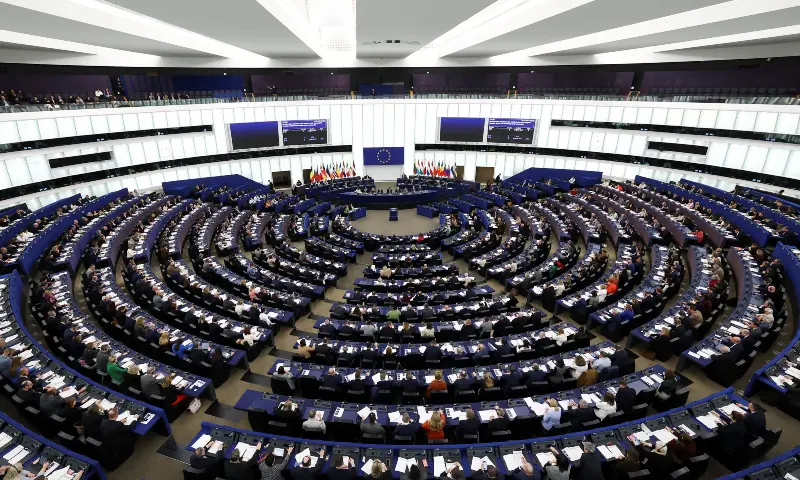
ISLAMABAD: The European Commission has allocated 126 million euros to address humanitarian needs in Pakistan, Iran and Afghanistan during 2026, part of an initial 1.9 billion euro aid budget aimed at combating global crises as major donors cut funds.
The allocation comes at a time when 239m people require assistance, the commission said in a press release on Wednesday. Additionally, more than 415m euros has been reserved for responding to sudden-onset emergencies and maintaining a strategic supply chain.
EC Commissioner for Equality, Preparedness and Crisis Management Hadja Lahbib took this commitment to the World Economic Forum meeting in Davos to seek private sector finance and innovative solutions that can complement public funding.
“The humanitarian system is under unprecedented strain, and public funding alone will not meet the scale of the crisis,” Lahbib said.
UNHCR projects displaced population will cross 136m by end of this year
“Europe is taking action, committing an initial €1.9bn for 2026. As the largest humanitarian donor, we are taking our political responsibility and leading the global response.”
Together with the WEF, Lahbib will co-host an event on “New Alliances in Aid and Development” . The commission noted the EU and its member states remain the leading global humanitarian aid donor.
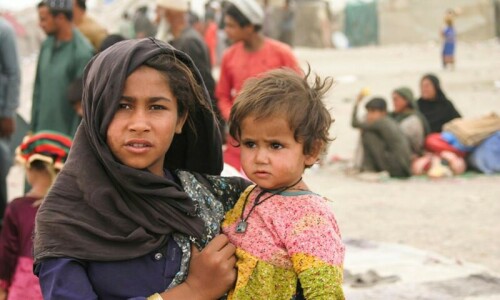
Displaced population
Meanwhile, the UNHCR said in its “2025 Impact Report” that it responded to a complex mix of new emergencies and long-standing crises in 2025 that forced millions from their homes.
By the end of June 2025, an estimated 117.3m people were forcibly displaced worldwide, a five per cent decrease compared to the end of 2024. However, global projections indicate that the number of forcibly displaced, returnees and stateless people could reach 136.3m by the end of 2026.
The UN refugee agency said severe funding cuts affected every aspect of its work, including emergency response, forcing the organisation to reduce both the scale of its activities and its workforce by one-third. According to the agency, the need for international solidarity has reached a critical point. Without increased and flexible funding, the UNHCR’s ability to respond rapidly at the onset of new crises will be severely hit at a time when needs are escalating.
Published in Dawn, January 22nd, 2026