Pakistan needs $566bn to meet climate targets
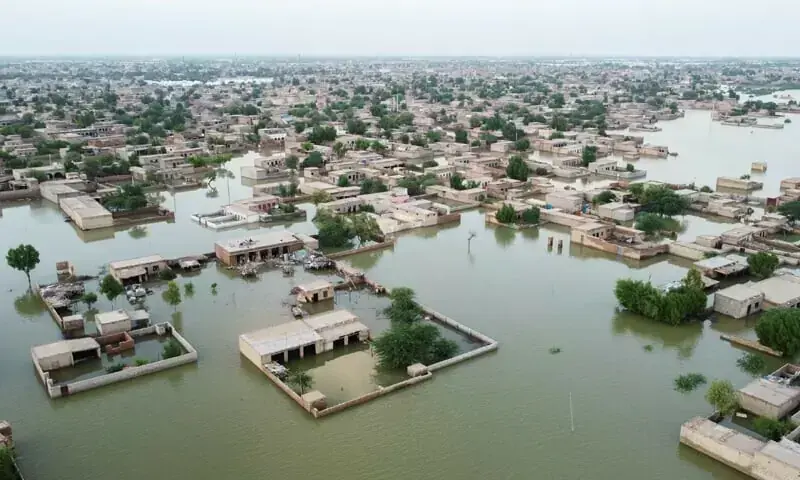


KARACHI: Pakistan will need a staggering $565.7 billion in investment to achieve its Nationally Determined Contributions (NDC) 3.0 climate commitments by 2035.
These include a 17 per cent unconditional and 33pc conditional reduction in greenhouse gas emissions, a 30pc increase in electric vehicle adoption, and a shift to 60pc renewable energy.
Meeting these ambitious goals will depend heavily on mobilising green-aligned investments, making frameworks like the Pakistan Green Taxonomy and robust ESG disclosure practices essential for guiding capital toward sustainable projects.
This was revealed during a session on Pakistan Green Taxonomy (PGT) and ESG Disclosure Guidelines hosted by the Overseas Investors Chamber of Commerce and Industry (OICCI), which was attended by top business executives and industry stakeholders on Wednesday.
According to OICCI’s press release, the session was held in the backdrop of the Securities and Exchange Commission of Pakistan’s issuance of the revised ESG Disclosure Guidelines for listed companies, formally aligning them with the Pakistan Green Taxonomy. The move is aimed at strengthening sustainability reporting, enhancing transparency, and supporting Pakistan’s climate transition and environmental commitments.
The Pakistan Green Taxonomy (PGT), launched by the State Bank of Pakistan (SBP) in 2024, provides a clear classification system for identifying activities that actively contribute to environmental objectives, including climate change mitigation, sustainable water use, ecosystem protection, pollution prevention, circular economy, and land management. Complementing this, the ESG Disclosure Guidelines, which will transition to mandatory reporting between 2029 and 2031, establish standardised metrics for financial and non-financial sustainability reporting.
On green financing, Farrukh Rehman, an expert on climate regulatory compliance, emphasised that integrating PGT into ESG reporting is a roadmap for businesses to align their operations with national climate objectives. Transparent and structured reporting will attract sustainable investment and enable companies to contribute to Pakistan’s environmental and social goals.
Published in Dawn, January 15th, 2026