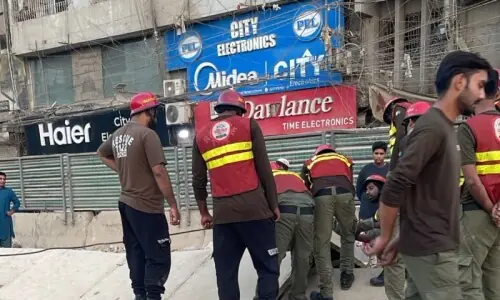
THE tragic blast in Islamabad that killed a newly-wed couple and six others, and left many injured, has once again exposed the lethal risks surrounding Pakistan’s widespread use of liquefied petroleum gas. While authorities have said the explosion appears to have been caused by a gas cylinder leak, a formal inquiry is still underway and the precise cause has yet to be confirmed. Even so, the pattern behind such tragedies is well established. Across Punjab and the wider country, similar incidents have become disturbingly routine. Between 2022 and 2025, nearly 500 LPG-related explosions and fires reportedly took place in Punjab alone, killing at least 25 people and injuring more than 240, many with permanent disabilities. In 2025, a series of major accidents — including a deadly LPG tanker explosion near Multan, a fatal cylinder blast at a Lahore shop and a tragic household explosion in Mardan — showed how easily a small leak or faulty valve can turn into a mass-casualty event.
So what causes such incidents to occur time and again? Chronic shortages of natural gas and rising energy prices have pushed millions of households, caterers and small businesses towards LPG cylinders. Yet this demand has been met by a largely unregulated supply chain. Although the Oil and Gas Regulatory Authority authorises only a limited number of manufacturers, hundreds of small, illegal units continue to operate in the country, particularly in Punjab, producing cheap cylinders that do not meet even basic safety standards. Weak enforcement allows these products to circulate freely, while unsafe practices — such as refilling, storing cylinders in confined spaces, or using them at crowded events — remain widespread. The result is an ongoing public safety hazard. The government must move beyond post-disaster inquiries. Cracking down on illegal manufacturers, strengthening inspections, enforcing Ogra standards, and running sustained public-awareness campaigns are essential. Expanding reliable gas supply would reduce LPG dependence. Without action, such tragedies will continue, each time with a different grieving family.
Published in Dawn, January 13th, 2026