Pakistan, Saudi in talks on JF-17 jets-for-loans deal: Reuters report
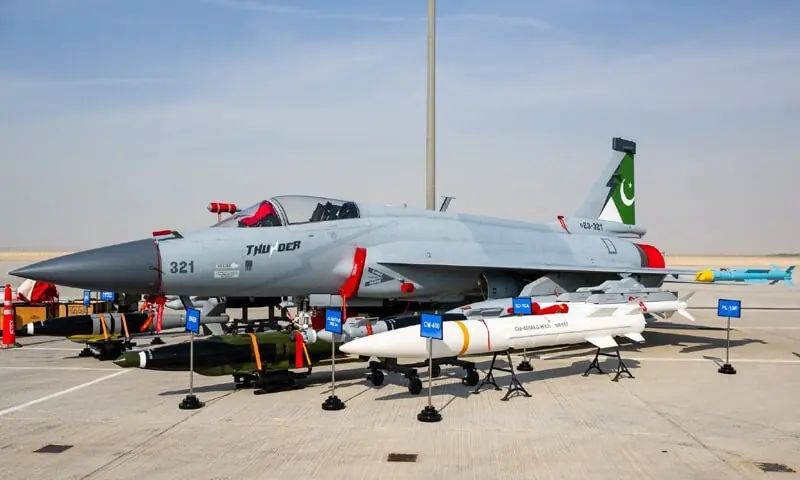


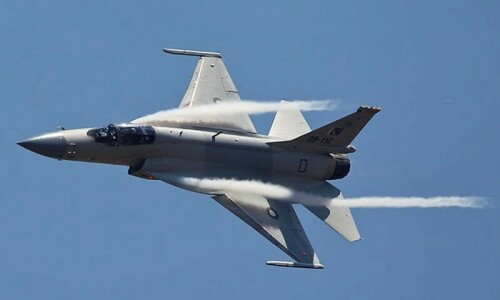
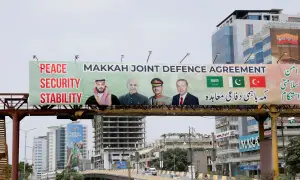
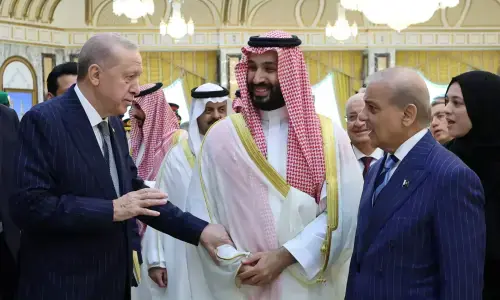
Pakistan and Saudi Arabia are in talks to convert about $2 billion of Saudi loans into a JF-17 fighter jet deal, two Pakistani sources said, deepening military cooperation months after the two nations signed a mutual defence pact last year.
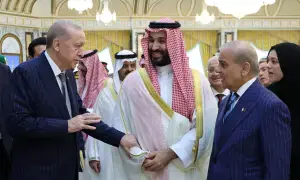
The talks underscore how the two allies are moving to operationalise defence cooperation at a time of acute financial strain and as Saudi Arabia is reshaping its security partnerships to hedge against uncertainty about US commitments in the Middle East.
The mutual defence deal was signed following Israel’s strikes on what it said were Hamas targets in Doha, an attack that shook the Gulf region.
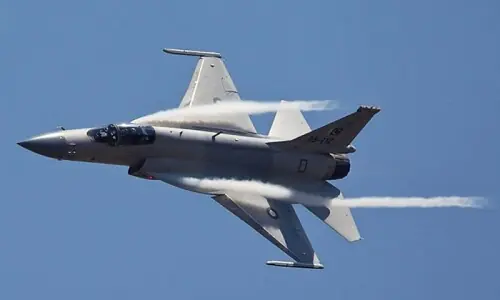
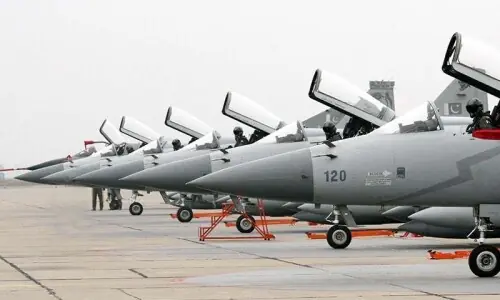
One of the sources said the discussions were limited to the provision of JF-17 Thunder fighter jets, the light combat aircraft jointly developed by Pakistan and China and produced in Pakistan, while the second said the jets were the primary option among others under discussion.
The first source said the total deal was worth $4bn, with an additional $2bn to be spent on equipment over and above the loan conversion.
The sources close to the military with knowledge of the matter spoke on condition of anonymity because they were not authorised to speak on the deal.
Pakistan’s Air Chief Zaheer Ahmed Baber Sidhu was in Saudi Arabia for bilateral talks, including on “military cooperation between the two sides”, Saudi media outlet SaudiNews50 said on social media platform X on Monday.
Tested in combat
Amir Masood, a retired air marshal and analyst, said Pakistan was in talks about or had finalised deals with six countries to provide equipment, including JF-17s and electronic and weapons systems for the jets.
He said those countries included Saudi Arabia, but could not confirm any details about the negotiations.
The JF-17’s marketability has been increased because “it is tested and has been used in combat,” he told Reuters, adding that it’s also cost-effective.
The aircraft was deployed during the conflict with India last May, the heaviest fighting between the neighbours in decades.
The military or finance and defence ministries did not immediately respond to Reuters’ requests for comment. Saudi Arabia’s government media office also did not respond.
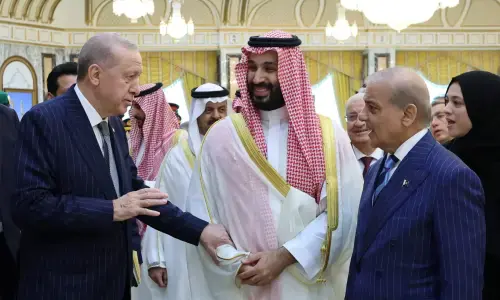
The mutual defence pact, signed in September, committed both sides to treat any aggression against either country as an attack on both, significantly deepening a decades-old security partnership.
Pakistan has long provided military support to the kingdom, including training and advisory deployments, while Saudi Arabia has repeatedly stepped in to support Pakistan financially during periods of economic stress.
In 2018, Riyadh announced a $6bn support package for Pakistan, including a $3bn deposit at the central bank and $3bn worth of oil supplies on deferred payment.
Saudi Arabia has since rolled over deposits multiple times, including a $1.2bn deferment last year, helping Islamabad stabilise its foreign exchange reserves amid chronic balance-of-payments pressures.
Arms sales outreach
Pakistan has in recent months stepped up defence outreach as it seeks to expand arms exports and monetise its domestic defence industry.
Last month, Islamabad struck a weapons deal worth more than $4bn with Libya’s eastern-based Libyan National Army, officials said, one of the country’s largest-ever arms sales, which includes JF-17 fighter jets and training aircraft.
Pakistan has also held talks with Bangladesh on the possible sale of JF-17s, as it widens its arms supply ambitions beyond South Asia and the Middle East.
On Tuesday, the defence minister said the success of its weapons industry could transform the country’s economic outlook.
“Our aircraft have been tested, and we are receiving so many orders that Pakistan may not need the International Monetary Fund in six months,” Khawaja Asif told Geo News.
Pakistan is currently under a $7bn IMF programme, its 24th, which followed a short-term $3bn deal that helped avert a sovereign default in 2023. It secured the Fund’s support after Saudi Arabia and other Gulf allies provided financial and deposit rollovers.