Pakistan to enter 2026 as fifth-most populous country
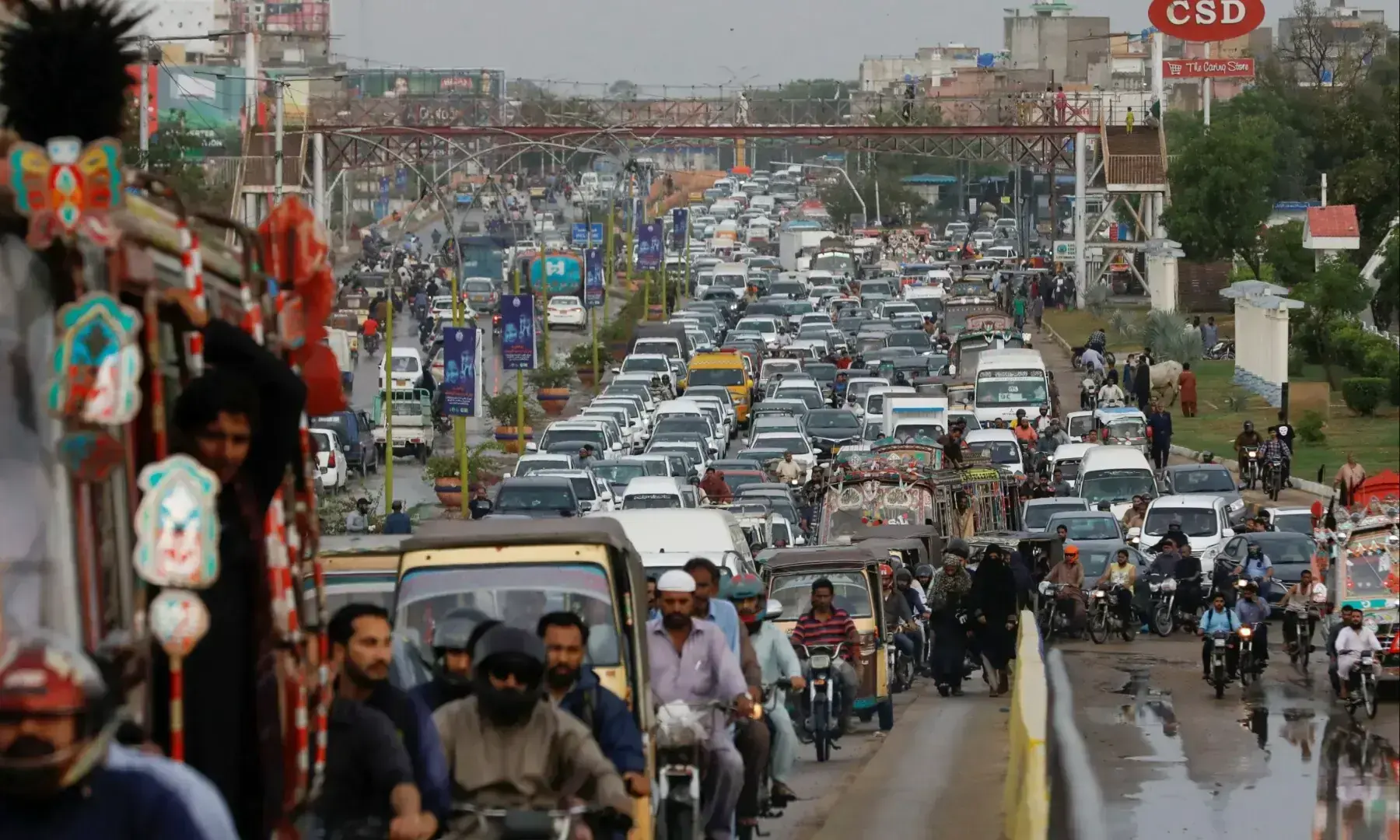


ISLAMABAD: The United Nations Population Fund (UNFPA) says that as Pakistan enters 2026 as the world’s fifth most populous country, with a population exceeding 225 million, high population growth and fertility rates, persistent gender inequality, and rising climate vulnerability, the urgency of addressing population dynamics has intensified.
These realities underscore the need to view population not as a burden but as a strategic driver of sustainable and inclusive development, UNFPA Pakistan said in a statement on Tuesday.
Looking ahead to 2026, UNFPA called for a shift in how population is reflected in national planning and financing, particularly in the NFC formula.
Moving beyond population size as the primary determinant, a forward-looking approach should reward provinces for measurable progress in gender equality, climate resilience, balanced population outcomes, and improvements in the quality of health and education services.
Such reform would align fiscal incentives with human development results, encourage innovation and accountability, and help translate population policy into tangible gains for people and communities, the statement said.
UNFPA also urged the implementation of the recommendations of the Council of Common Interests with clear accountability mechanisms, defined timelines, and sustained domestic financing, supported by strong population data and evidence-based planning.
Despite gains, challenges remain, the agency said. High maternal mortality, unmet need for family planning, early marriages, gender-based violence, and unequal access to quality reproductive health services, particularly in remote communities, continue to demand attention. These challenges are also closely linked to stalled fertility decline and uneven development outcomes, UNFPA said.
Published in Dawn, December 31st, 2025