Chinese villagers win battle against forced cremation


 0
0
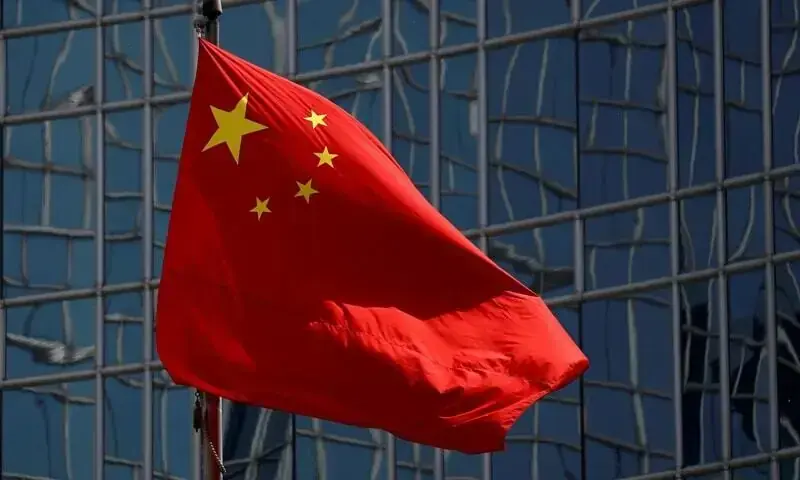

BEIJING: Protests in rural China have thwarted government attempts to enforce cremation in place of traditional burials, demonstrators say, as economic pressures fuel unrest in poor areas.
Such outbursts of dissent are rare in China, where authorities act swiftly to stamp out civil disobedience both on the ground and online, though monitors say localised protests appear to be increasing.
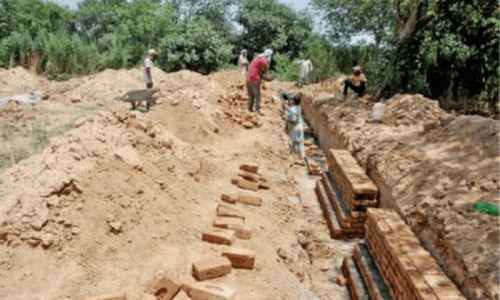
Since November, videos have shown crowds in mountainous Guizhou province confronting officials who allegedly tried to force the cremation of dead people despite the strong local preference for burials.
The Chinese government has promoted cremation for decades, arguing it preserves land, reduces costs and represents “modern” funeral practice. Cremation is commonplace in cities, but many rural communities view burials as an essential rite for the dead.
The recent unrest in Guizhou’s Mushan village, Xifeng county, began after officials tried to force the cremation of a recently buried resident, locals and relatives of the deceased told AFP.
“They would come every day to harass my family,” one relative said, adding that drones monitored the site overhead.
Videos — many of them now apparently removed by China’s online censors — showed crowds of dozens of people guarding burial grounds from local officials who residents say wanted to exhume the body.
A 37-year-old Xifeng resident surnamed Shen told AFP he and many others had travelled to Mushan to support the family of the deceased in undertaking a burial.
Authorities showed “disrespect for local customs”, Shen said, describing their response, which included sending police officers, as “extremely tough”. The family “worried that the body would be forcibly dug up and cremated”, he said, adding their watch continued throughout the night.
In another incident in November, crowds in Shanshuping, also in Xifeng, blocked a funeral home vehicle and forced three men identified as local officials to wear white funerary headbands and kneel in front of a coffin, videos posted by the protest-tracking X account, Yesterday Big Cat, showed.
According to Shen, by the end of November, police blocked roads into Mushan, stopping supplies and supporters from entering. Local authorities were “forcibly preventing the incident from spreading and stopping the people from protecting their rights”, he said.
In December, videos showed similar scenes of villagers confronting officials during a funeral in Sangba village, around 200 kilometres (124 miles) north of Mushan. It was unclear if the incidents were related.
While exceptions exist for 10 mainly Muslim ethnic minorities, the state encourages cremation wherever local conditions allow.
For China’s Han majority — which makes up more than 90 percent of the population — burial has ancient roots. Traditionally, body burials were at the core of thinking about what being a person means for Han Chinese.
So when cremation is done by force, and people aren’t ready for it, opposition is likely.
Published in Dawn, December 27th, 2025