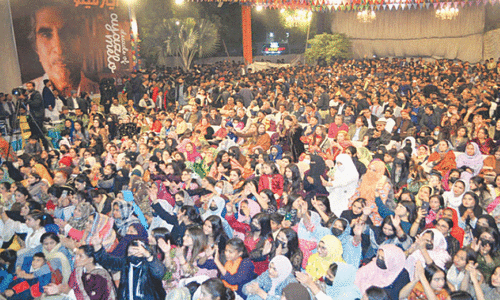
HYDERABAD: Political conditions and governance in the country was the topic of a session held on Saturday -- the second day of the 11th edition of Ayaz Melo, at the Sindh Museum.
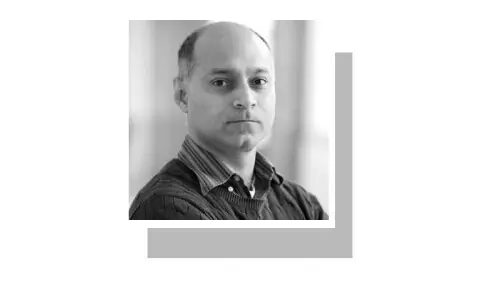
Journalist Wusatullah Khan moderated the session titled Saang siyasat ja (Deceptive moves of politics). “Our country is run like a laboratory,” he remarked, observing that powerful elites have captured it. “We will see progress [of the country] only when we are able to rid the country of these people,” he believed.
In the past, ‘One Unit’ was introduced by doing away with provinces’ status. It was claimed that this would offer a solution to all ills. Now, once again, there is talk of new provinces, he wondered.
Munizae Jahangir pointed out that no dictator could be a ‘progressive’ individual; people have fought a long flight here for democratic values. She said that her mother, Asma Jahangir, led this fight as well. Unfortunately, politicians, as well as the judiciary and other institutions, did not deliver to the masses despite this long battle.
She said that the politicians who challenged the establishment did it for their own survival, and not for the masses.
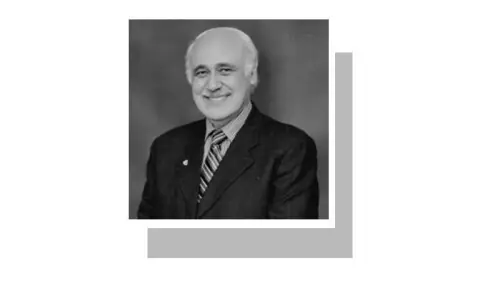
Javed Qazi, a columnist, said that while a hybrid system exists in the country, real power lies with the mighty ones who run this state. “Independent judiciary does not exist anymore,” he said, and added that PPP had become a party of elites under Asif Ali Zardari because it has a lesser pro-poor outlook. Similarly, he said, Sharif’s slogan of ‘Vote ko izzat do has vanished.
“Now we have controlled politics, controlled democracy and controlled journalism,” he observed.
An Urdu literary figure, Farnood Alam, said that no popular movement is seen in the country unlike the past. He said that past movements used to give a feel that Pakistan would become a secular state within the next 15 years. “Democracy and politics finished after 2018,” he remarked.
Senior journalist Ghazi Salahuddin, at a separate session: Insani haqqan jo tabdeel theendar manzar namo (changing landscape of human rights) moderated by Zakia Ejaz, observed that educational institutions lack a democratic environment. “Democracy is being stifled through [constitutional] tweaks,” he said.
He recalled that journalism in the past used to enlighten people, but now it is weakening with print media facing demise.
“Artificial Intelligence is killing creativity,” he said, and observed that press freedom used to be the masses’ freedom which has been snatched now.
Sessions on launching of books by Ashfaq Leghari (Nafrat ki daryaft), Asif Qazi (Sindh: ten years before Pakistan), and Akhtar Hafeez (Walaar) were also held.
Published in Dawn, December 21st, 2025