‘Unprecedented’ increase in poliovirus spread alarms Sindh govt


 0
0
• Over 75pc of environmental samples tested positive since mid-2025, meeting told
• CM Murad directs officials to look into emerging public health crisis
• Week-long anti-polio drive to begin from 15th
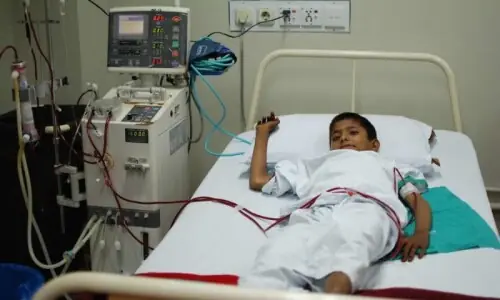
KARACHI: There has been a sharp surge in circulation of poliovirus in the province, affecting at least 21 union councils, forcing the chief minister to direct concerned officials to look into the emerging public health crisis and take targeted measures to strengthen immunisation efforts against the crippling disease.
The concerns over the fast spread of poliovirus were highlighted at a meeting of the Provincial Task Force held at Chief Minister House on Tuesday, where officials representing the Emergency Operation Centre (EOC) described the high circulation of the virus as “unprecedented”.
The meeting was chaired by Sindh Chief Minister Syed Murad Ali Shah and the attendees included Health Minister Dr Azra Fazal Pechuho, health secretary Rehan Baloch, Director General Health Dr Waqar Memon, EOC Coordinator Sheharyar Memon, Mayor Barrister Murtaza Wahab, Commissioner of Karachi Hassan Naqvi, Inspector General Police Ghulam Nabi Memon and Additional IG Javed Alam Odho.
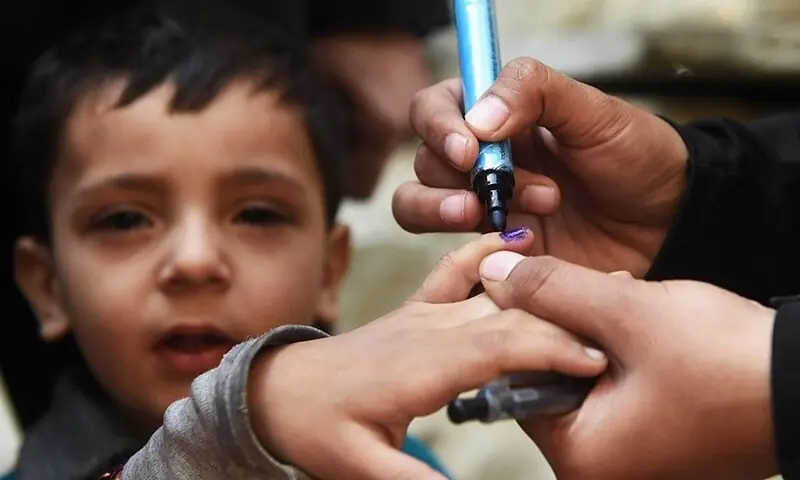
The meeting participants saw detailed discussions covering epidemiological updates, environmental surveillance, district performance, frontline worker preparedness and operational planning for the National Immunisation Days (NIDs), scheduled for Dec 15-21 this year.
The meeting participants were told that 10.6 million children under five would be vaccinated across 1,345 union councils in 30 districts.
More than 80,000 frontline workers will participate, with over 21,000 law enforcement personnel — including around 400 female constables — supporting security and access.
According to the environmental (sewage) samples’ data presented in the meeting, 10 of the 12 (high-risk) sites in Karachi and 11 of the 17 (high-risk) sites in other divisions tested positive for poliovirus in November.
Over 75 per cent of the environmental samples, the data showed, have tested positive since mid-2025 — an unprecedented rate in a decade.
This year, officials shared in the meeting, nine polio cases have been recorded in Sindh this year; three in Badin, two in Thatta, and one each in Hyderabad, Qambar, Larkana, and Umerkot. The most recent was reported from Karachi’s Gujro area located in district East.
In his response, the chief minister described the situation deeply worrisome and unacceptable, while suggesting that that only a high-quality, disciplined campaign can break the vicious cycle of virus circulation and transmission.
12,000 unvaccinated children
Mr Shah also reviewed district-wise performance, expressing dissatisfaction where officials couldn’t meet set standards.
He directed deputy commissioners to ensure 100 per cent focus on field activities and made it clear that administrative pull-outs wouldn’t be tolerated during the campaign.
“Morning assemblies must be strong, frontline workers motivated, and every child reached during campaign days — not in extended catch-ups. Support teams of union councils must resolve on-ground challenges immediately,” he said, directing district health officers to enforce zero-tolerance for data manipulation and absenteeism.
Officials shared that while 85 per cent of zero-dose children had been vaccinated around 12,000 children remained to be covered.
The chief minister instructed officials to ensure vaccination to all children, with special focus on refusals, while calling for stronger community engagement, interpersonal communication, involvement of local influencers, and coordinated mass media messaging.
He reiterated the government’s commitment, stating that Sindh had the strongest polio infrastructure in the country.
“What we need now is discipline, accountability, and a sense of community trust. No child in Sindh should remain unvaccinated,” he said, stressing the need for easier data collection, supportive supervision, and public recognition of frontline workers.
Published in Dawn, December 10th, 2025