I AM close to wrapping up an amazing semester teaching a news writing class to three Master’s students of journalism. They are some of the smartest women I’ve taught and I already know they will go on to produce great journalism. But yes, it’s a class of three and we need to do something to enrol more students. Journalism has to be seen as a viable stable career option.
‘We’ means anyone who believes in the need for an independent strong free media that does its work responsibly. Not the stuff on screens masquerading as news. The trouble is that most people think journalism is information that confirms their point of view. For many years, I thought it was important to bring this group over to the right side, ie, the side of independent journalism. However, it is too late. They are too attached to their perspective and unwilling to consider anything that sways even half a point away from their ‘truth’.
How sad that we now use possessive adjectives like ‘my’, ‘your’, ‘her’ when referring to truth. This is the result of structural failures in the newsroom — either news managers could not stand up to external pressures or could not come up with different business models. The people who set the editorial agenda of the day need some serious introspection and ask what they did to get us here.
Here refers to the fast eroding trust in journalists and the news industry. One paper in the Journal of Media Horizons in October found that Pakistanis trusted international media because they felt local media was less credible due to political influence. Of local media, respondents said they trusted newspapers more than TV — a welcome insight for editors everywhere.
But this study didn’t examine teens’ news consumption habits. I was looking for Pakistan-specific data after reading recent findings about young people’s faith in the news industry in the US by the News Literacy Project. Nearly seven in 10 teens thought that news organisations intentionally add bias to coverage to advance a specific perspective. Eighty per cent of teens said that journalists fail to produce information that is more impartial than other content creators online. Almost half said journalists harm democracy more than protect it. When asked to describe the news media, 84pc replied: ‘biased, crazy, boring, fake, bad, depressing, confusing, scary’.
There’s a need for news literacy classes at the school level.
I can’t quantify what teens in Pakistan would say but I’ve heard these words from undergraduates enrolled in my news media literacy class. Unlike my journalism students who want to become reporters, the undergrads in an elective class couldn’t be bothered. They had already made up their minds and probably stopped following the news after passing my class.
More than half of the teens surveyed in the US “believe journalists regularly engage in unethical behaviours like making up details or quotes in stories, paying sources, taking visual images out of context or doing favours for advertisers”. While I can’t fault teens for thinking this because journalists do make mistakes, I think this is an unfair assessment. I have long maintained that people don’t understand what journalism is and we need to work harder to explain that our job is to hold the powerful to account. I also think teens’ perception stems from what they hear at home from their parents.
Two thirds of the teens surveyed by the News Literacy Project couldn’t think of any TV or movies about journalism. “Those who had answers most frequently cited the Spiderman franchise or the movie Anchorman: The Legend of Ron Burgundy. Neither portrayal was particularly flattering,” the report said.
In her book, The Construction of Public Opinion in a Digital Age, media professor Catherine Happer, charts how “we went from an era of high trust in 20th-century media to one of low trust in the digital age”. Journalists aren’t seen as people who speak for audiences but for the powerful. In her interviews over the decade she spent researching this book, she met people who told her “they see mainstream journalism as being bound up with a political system that is failing”. She sums it up well: “there is a disconnect between the priorities and beliefs of journalists and their audiences.”
I have written about the need for news literacy classes at the school level. As the kids say, that needs to happen yesterday. These classes will help children from a young age understand how to differentiate fact from fiction. This is especially important as AI becomes more sophisticated in spreading disinformation.
My students are committed to journalism. I hope their future employers are committed to letting this new generation take the lead so we can get out of this mess, caused largely by us. We have to adapt to innovation while retaining our ethical values. We must report for the public good.
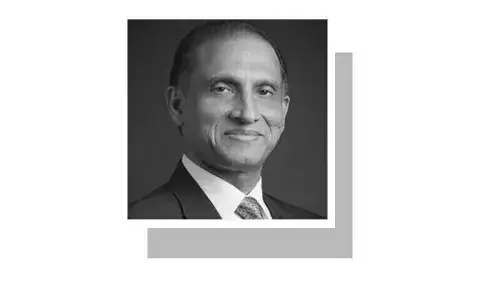
The writer is a journalism instructor.
X: @LedeingLady
Published in Dawn, December 7th, 2025