LAHORE: The city’s policing system is embracing new technologies centered around real-time response, digital integration, and field accountability.
The police 15 helpline has been overhauled from a previously slow, multi-step relay system into a digitally coordinated rapid-response grid. A conference-call-enabled dispatch system has been introduced that connects the caller, the Punjab Police Integrated Command & Control Centre (PPIC3) and the nearest patrolling officer.
An officer claimed that this single innovation had cut communication delays by more than half. He said that the moment a call was received, PPIC3 identified the geolocation, and the caller was patched directly to the patrolling officer.
The official said the system also tracked the patrolling car’s live location until arrival and supervisors could monitor the response in real-time, and any unexplained delay was flagged immediately. He said the patrolling vehicles were now being monitored centrally and their movement was logged and timed.
Officials claim decline in crime rates is direct outcome of coordinated reforms
Coupled with increased accountability, with over 200 officers undergoing legal or departmental action this year alone, the officials claim field efficiency, reduced absenteeism, and improvements in dealing with citizens had been noted.
Other interventions include, according to officials, open courts through video link, direct complaint escalation channels and structured feedback mechanisms. For the first time, one officer said, citizens could see the response, track progress and speak directly to responding officers.
The impact of these combined interventions is now visible in the data. According to the official crime-call statistics for the first ten months of 2025, Lahore has recorded a 56 percent decline in property-related 15 calls compared to 2023. The officer said that the total calls had dropped from 83,975 in 2023 to 37,018 in 2025.
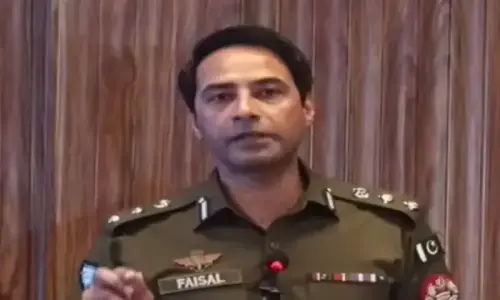
Lahore DIG Operations Faisal Kamran said that the decline in crime rates were the direct outcome of coordinated reforms. He said that the force was now preparing to enter the next phase of reform with AI-assisted patrol planning, where three years of FIR data — combined with live camera feeds and hotspot mapping — would help forecast probable trouble zones.
Mr Kamran said, “While the AI layer is still under calibration, the groundwork laid over the past year means the system will be plugged into a policing structure already functioning with digital discipline. If the current trajectory holds, the shift from reactive to predictive, time-bound, and data-led policing could mark one of the most significant evolutions in the city’s security landscape in decades.”
Published in Dawn, November 29th, 2025