1
1

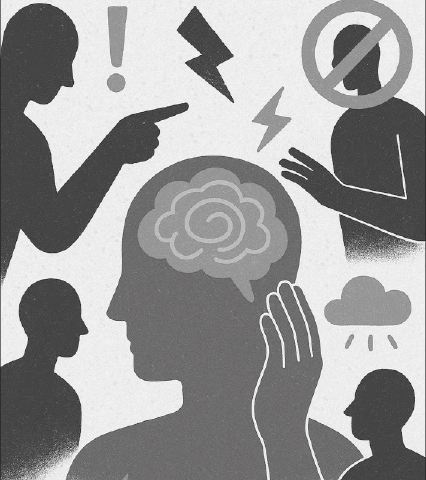
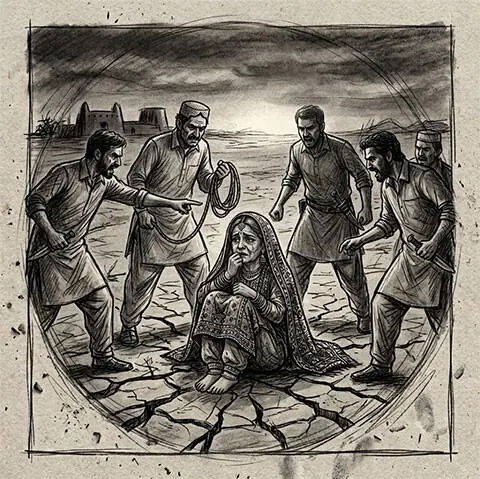
PAKISTAN faces an alarming mental health crises, with fewer than 500 psychiatrists and over 90 per cent of people suffering from depression or anxiety simply going untreated. Despite growing awareness, mental health remains a taboo, overshadowed by cultural stigma, religious misconceptions and economic hardship. In many communities, psychological disorders are still viewed as signs of spiritual weakness, divine punishment or even supernatural possession, pushing people to seek help from faith-healers rather than professionals.
Deep-rooted phrases, like “men do not cry”, discourage emotional expression, while words, like pagal or nafsiyati, are used as insults, silencing those who suffer. Mental healthcare is seen as a luxury only the wealthy can afford, as therapy costs thousands of rupees, and facilities are largely concentrated in major cities. The economic instability, inflation and trauma caused by floods earlier this year have only deepened despair and anxiety among the masses, making mental health a national emergency hidden beneath denial.
Beyond these structural problems lies Pakistan’s long-standing battle with fear and silence. Topics such as divorce, domestic abuse, or trauma remain heavily stigmatised, trapping countless individuals, especially women and girls, in emotionally damaging situations due to the fear of judgment or financial dependence. Men, too, are victims of toxic expectations, as they are taught to suppress emotions and to equate vulnerability with weakness. This suppression often manifests in aggression, substance abuse or even suicide.
The problem starts early as most schools lack trained counsellors, and children are told to just stop crying, or be strong as if expressing pain is shameful. Marital abuse, too, is dismissed as a personal issue, and victims are generally urged to compromise even at the cost of their mental wellbeing. As a result, issues like depression and anxiety fester in silence.
Just as Pakistan fought the recent Covid pandemic through consistent mass-level awareness, we can adopt the very same approach to confront mental health stigma. Consistent dialogue through the media, entertainment and education sectors can normalise conversations about mental health. Schools should integrate emotional literacy and coping strategies into their curriculum. Organisations spreading awareness and providing tele-therapy to underserved areas need to be supported to improve outreach to rural and underprivi- leged communities.
If policymakers, educators and civil society collectively function to replace judgment with empathy, denial with understanding, and silence with open dialogue, Pakistan can begin a healing process with respect to the invisible wounds. We are at the crossroads between silence and understanding, between denial and healing. The battle against mental health stigma is not just about doctors or hospitals; it is about rewriting our story, replacing the whisper of shame with the voice of empathy, and realising that acknowledging pain is not weakness.
The day we start treating a wounded mind with the same urgency as a wounded body, we will begin our journey on the path to real progress. Healing a nation begins with healing its people, and that starts when we dare to talk, to listen, and to understand that mental health is not a taboo, but a truth that deserves to be heard.
Suman Noor Abbasi
Sukkur
Published in Dawn, November 25th, 2025