0
0
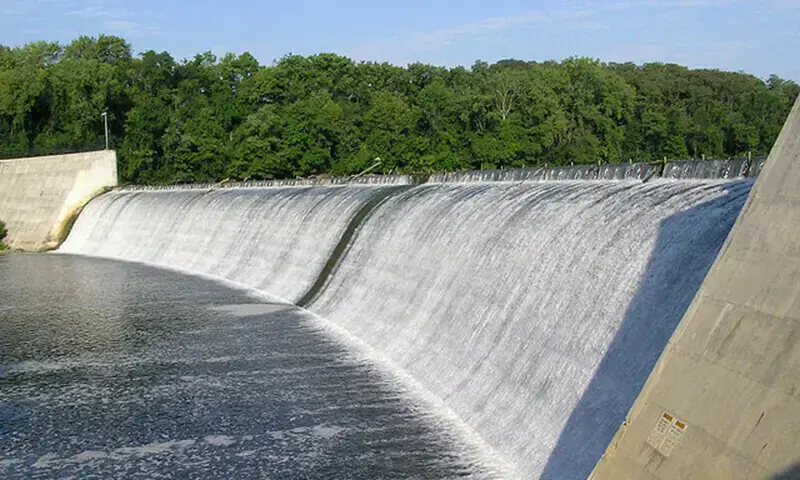

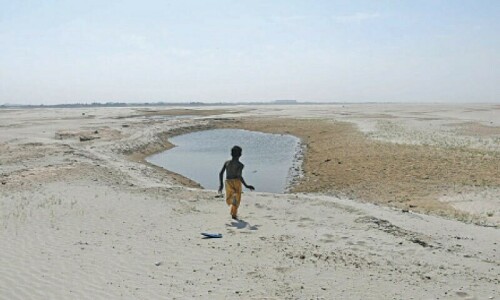
ISLAMABAD: The country will require around 60 million acre feet (MAF) of additional irrigation water to meet food, energy and other needs of a population expected to reach 315 million by 2050, up from the current estimate of 251 million. The new water storage projects currently under development can provide 11.13MAF additional resource.
These details were shared during a meeting of the Senate Standing Committee on Water Resources on Monday, chaired by Senator Shahadat Awan.
The committee expressed concern that the Pakistan Space & Upper Atmosphere Research Commission (Suparco) had breached its privilege by failing to provide a report on more than 1,300 encroachments along riverbanks, despite repeated requests.
Water Resources Secretary Syed Ali Murtaza told the committee that the government was considering a reservoir on the Chenab River near Chiniot to manage flood flows from across the border. He said the feasibility study for the project had been completed.
60MAF gap estimated by 2050 amid population surge, Senate body told
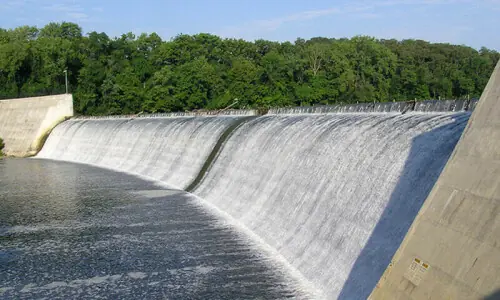
A Wapda team, led by Member Water Syed Ali Akhtar Shah, informed the committee that dams currently under various stages of development would add about 11.13MAF of storage capacity. This includes 8.1MAF from Diamer-Bhasha and additional capacity from projects such as Mohmand, Kurram Tangi, Nai Gaj and Naulong.
Wapda officials said the Chenab River contributes roughly 23MAF annually, with its entire catchment area located in India. India can change flows into Pakistan through its existing and planned projects on the river.
Senator Awan expressed displeasure over the lack of coordination among federal and provincial bodies regarding encroachments on riverbeds. He directed the water resources secretary to ensure better coordination among all relevant authorities.
The committee also took strong notice of Suparco’s non-compliance over the verification report on the removal of encroachments. The Senate Secretariat later said the committee chair, with the members’ consent, decided to treat Suparco’s non-compliance as a breach of the committee’s privilege.
The committee was informed that Punjab had removed 1,790 encroachments out of a total 2,687, leaving 897 still in place.
Sindh had removed only six of 164. Khyber Pakhtunkhwa had cleared 126 of 377, reducing the number of remaining structures to 251. Balochistan reported no progress.
Published in Dawn, November 25th, 2025