India asks UN wildlife body to not curb its animal imports amid Ambani zoo furore


 2
2
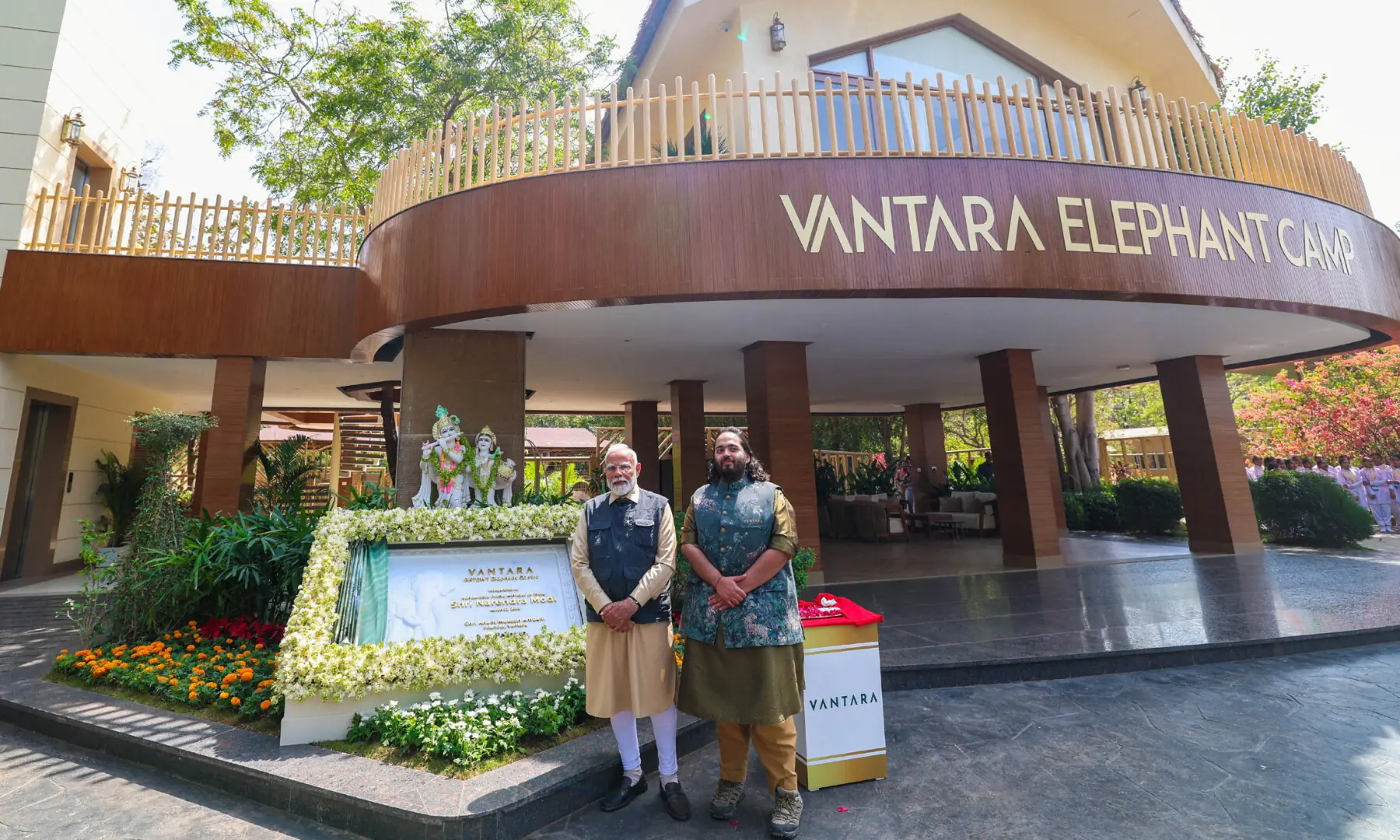

India has urged a UN wildlife trade body not to curb its imports of endangered species, saying it has tightened oversight amid growing allegations of irregular animal shipments to a large private zoo run by Asia’s richest family.
Vantara, a 3,500-acre zoo in Gujarat state run by the philanthropic arm of a conglomerate led by billionaire Mukesh Ambani and his family, has faced allegations of improper imports of certain animals, triggering higher scrutiny from authorities in Germany and the European Union, Reuters has reported.
Indian investigators tasked by the country’s Supreme Court to examine the allegations by non-profit and wildlife groups cleared the sanctuary of any wrongdoing in September, and Vantara has said it complies with all regulations.
However, after visiting the facility in September, the Secretariat of the Convention on International Trade in Endangered Species of Wild Fauna and Flora (CITES) issued a report last week asking India to review its procedures.
The report cited discrepancies between exporter and importer trade data and flagged insufficient checks on the origin of some animals.
In a submission to CITES dated November 10, India said any restrictive or punitive measure at this stage would lack legal foundation and risk unsettling the CITES framework, calling the measure “premature and disproportionate”.
The wildlife body’s request “would constitute a de facto suspension or moratorium on lawful” imports, the government said.
The Indian submission, posted on the CITES website ahead of its convention meeting this month, is first being reported by Reuters. It signals new wrangling over Vantara’s imports.
Tighter scrutiny in place, India says
CITES is a global treaty that regulates trade in endangered plants and animals, or products derived from them, with the aim of ensuring their survival.

While CITES acknowledged last week that Vantara operates facilities of exceptionally high standards, it recommended that India halt new import permits for endangered species until safeguards are tightened.
The body warned that without stricter checks, animals sourced from the wild could be misrepresented as captive-bred.
India countered that it “has strengthened inspection and reporting mechanisms for all recognised zoos and rescue facilities”, including Vantara. The government also instructed the Central Zoo Authority to ensure enhanced due diligence for all future acquisitions.
CITES and Vantara did not respond to a Reuters request for comment on the Indian government’s submission on Wednesday.
Animals from the world over
Vantara says it is home to some 2,000 species.
That includes imported exotic species from South Africa, Venezuela, and the Democratic Republic of Congo, including snakes, tortoises, tigers, cheetahs, giraffes and chimpanzees.
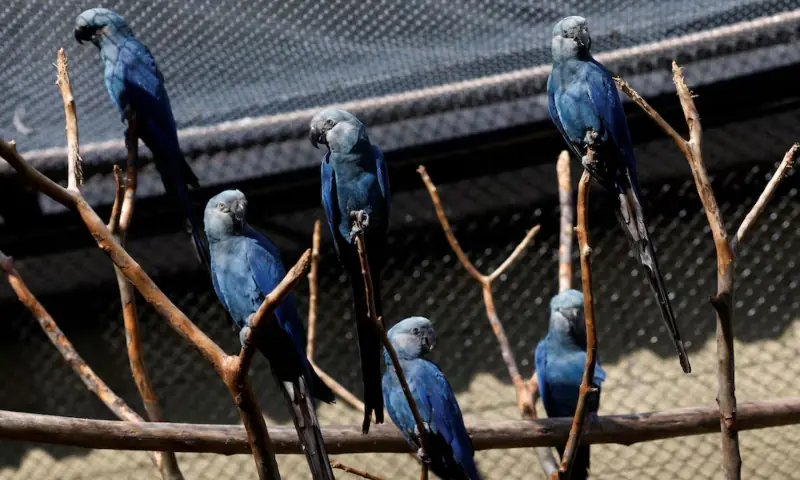
The shipments were recorded with a declared value of $9 million, which Vantara has said reflected freight and insurance charges, not any payments for wildlife.
The CITES report last week noted that “a number of animals come from established commercial breeding facilities, which would normally sell the animals they breed”.
India has mounted a defence, saying in response that the Supreme Court panel’s findings showed imports were carried out in compliance with regulations.