EFFORTS to find a permanent solution to differences between Pakistan and Afghanistan’s Taliban regime are locked in a frustrating cycle with no foreseeable solution on the horizon.
The main reason for this is the Taliban’s obduracy, and lack of intention in stopping terrorist groups such as the TTP from staging cross-border attacks. The third round of talks in Istanbul wrapped up without any forward movement on Friday, with the extension of the ceasefire agreed to in Doha after hostilities last month as the only saving grace.
Pakistan, indicating its seriousness, sent high-powered negotiators, including the ISI chief. But the Taliban’s refusal to budge from their stance, as in previous rounds of dialogue, resulted in no progress. As the defence minister put it, the talks are currently in an “indefinite phase”, though there are chances that further parleys are possible.
The Taliban have described Pakistan’s demands as “unrealistic”. But there is nothing undoable about preventing militant groups active on Afghan soil from attacking Pakistan. The Kabul regime has vacillated between denying that any terrorist groups are active in Afghanistan, and saying that internal security is Pakistan’s own problem.
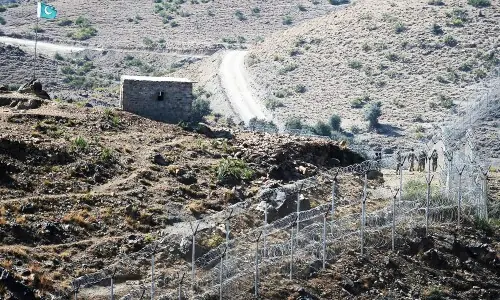
While internal security is indeed Pakistan’s responsibility, Kabul has a duty to stop armed actors from crossing the border and carrying out acts of terrorism in this country. Complicating matters further is the fact that Kabul is unwilling to give written guarantees that it will prevent attacks.
This recurring cycle of negotiations, followed by a breakdown in talks and the threat of renewed hostility, must end; a permanent solution needs to be found soon.
Few in the international community will believe the Taliban when they claim that no TTP fighters, or militants belonging to other groups, are active on Afghan soil. Evidence proving the presence of such groups in Afghanistan is significant.
The Taliban’s ideological affinity with the TTP is also no secret. If the Afghan Taliban seek international recognition, they must realise that this will elude them unless they muzzle their militant comrades, and stop them from attacking sovereign states.
The international community should ignore the threat of Afghanistan-based militants at its own peril. Today, these elements are attacking Pakistan; tomorrow, they may expand their reach to other states. Therefore, if the Taliban are not willing to accept Pakistan’s legitimate demands, Islamabad should work with regional allies to ensure that the Kabul regime incurs costs for hosting terrorist groups.
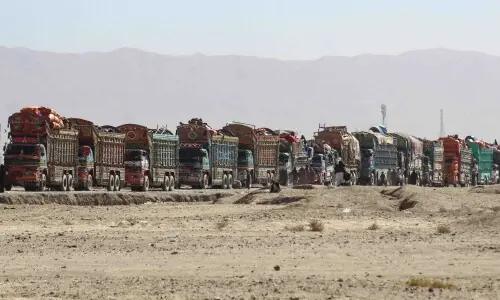
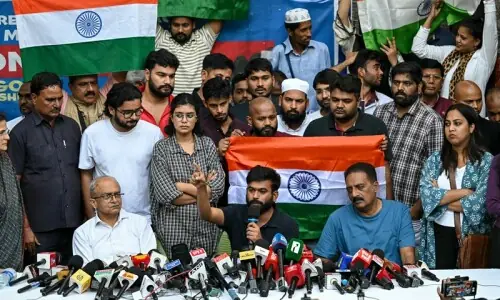
This can include limiting diplomatic engagement and trade ties. Pakistan must also be wary of Indian moves to indulge the Taliban. New Delhi has suddenly expressed great affinity for the Taliban — not out of any newfound love for the Afghan people, but to spite Pakistan. Islamabad, therefore, must not let hostile actors create further trouble on the western border.
Published in Dawn, November 10th, 2025