Türkiye’s top officials to visit Pakistan next week over tensions with Afghanistan: President Erdogan
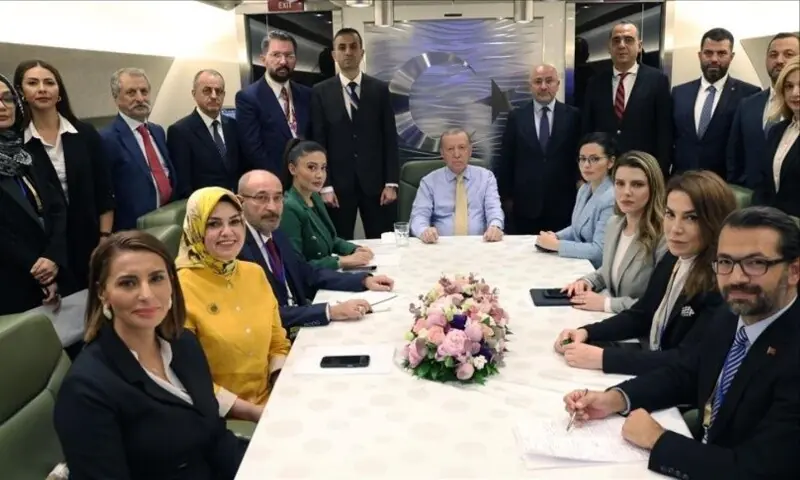


Türkiye’s Foreign Minister Hakan Fidan, Defence Minister Yasar Guler, and intelligence chief Ibrahim Kalin will visit Islamabad next week to discuss tensions between Afghanistan and Pakistan, Turkish President Recep Tayyip Erdogan said on Sunday.
He made the announcement while speaking to reporters on his flight returning from Azerbaijan.
Talks between Pakistan and Afghanistan, which were taking place in Istanbul in the presence of mediators, broke down on Friday without any agreement, as negotiators failed to bridge deep differences over how to monitor and prevent cross-border terrorism, officials and sources said.
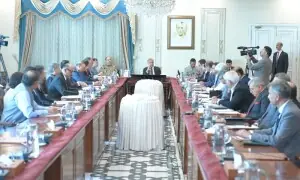
Defence Minister Khawaja Asif insisted that the negotiations were “over” and had “entered an indefinite phase”.
“Right now, as we speak, negotiations are over,” Asif told Geo News, alleging that the Afghan Taliban delegation again came to Istanbul “without any programme” and was unwilling to sign a written agreement.
A senior security source confirmed that discussions had hit an impasse. “The talks in Istanbul are deadlocked,” he said.
However, it is understood that a fragile ceasefire between the two countries is still holding. The defence minister also said that the truce stands for the time being but warned that the “moment there is a ceasefire violation from their side, we will respond befittingly”.
The third round of Pakistan-Afghanistan talks began on Thursday in Istanbul and was planned to continue for two days. Pakistan’s delegation, led by Inter-Services Intelligence (ISI) Director General Lt Gen Asim Malik, included senior military, intelligence and Foreign Office officials.
The Afghan Taliban side was headed by General Directorate of Intelligence (GDI) chief Abdul Haq Waseq and included Suhail Shaheen, Anas Haqqani and Deputy Interior Minister Rehmatullah Najib.
Reports from Istanbul suggest that the Pakistani delegation had left the hotel for the airport after the talks broke down. There was no direct meeting between the two delegations on Friday. The sides had met face to face in the presence of Qatari and Turkish mediators the previous day.
The ISI chief and some members of the Pakistan delegation have left Istanbul, but the Pakistani side is still not ruling out resumption of the process. A source said an attempt will be made to break the deadlock. It is believed that some senior officials have stayed behind to work with the mediators.
For most of Friday, mediators engaged the Afghan delegation separately, relaying Pakistan’s concerns and demands. Pakistan’s Foreign Office spokesman, Tahir Hussain Andrabi, told reporters in Islamabad that the Pakistani delegation had presented its case in a “comprehensive and evidence-based manner”.
He added, “The Pakistan delegation has handed over its evidence-based, justified and logical demands to the mediators with a singular aim to put an end to cross-border terrorism. They are now discussing Pakistan’s demands with the Afghan delegation point by point.”
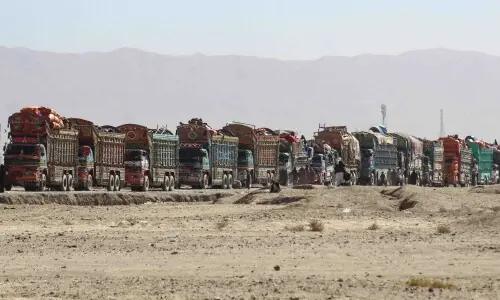
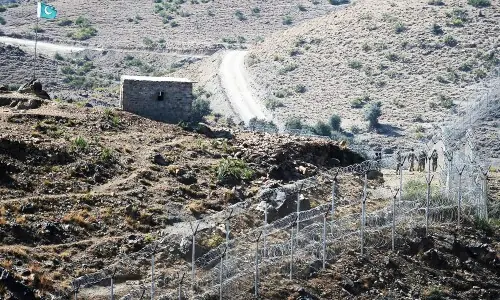
The dialogue process was launched after border clashes in early October that left several soldiers and civilians dead on both sides. Turkiye and Qatar then stepped in to mediate.
The first round in Doha produced a fragile ceasefire, while the second, also in Doha, ended with only a general agreement to develop a mechanism for verifying compliance and a decision to continue talks.
The latest round was aimed at finalising the modalities of that verification and monitoring mechanism.
Afghan negotiators, meanwhile, claimed on Friday that their own proposals were “logical and easily achievable” for Pakistan but described Islamabad’s demands as “unrealistic and aggressive”, suggesting they might serve as a pretext to create further complications.
According to a source familiar with the discussions, the Afghan side conveyed that “it is up to Pakistan’s own calculations to deal with the situation”.
A source in Istanbul described the late-evening atmosphere at Istanbul’s Conrad Hotel, where the talks were held, as “not positive”.
Iranian FM calls Pakistani, Afghan counterparts
Meanwhile, Iranian Foreign Minister Abbas Araghchi on Sunday spoke to his Pakistani and Afghan counterparts, Ishaq Dar and Amir Khan Muttaqi, discussing bilateral ties as well as the recent negotiations in Istanbul between Islamabad and Kabul, the Iranian and Afghan foreign ministries said.
According to Iran’s state-run IRNA news agency, Araghchi announced Iran’s readiness for any kind of assistance to resolve differences between the two countries.
“Expressing concern about the current situation between Afghanistan and Pakistan, he emphasised the need for continued dialogue between the two sides with the cooperation of influential countries in the region to resolve differences and reduce tension, and announced the readiness of the Islamic Republic of Iran to provide any kind of assistance to achieve this goal.
FM Dar, while explaining the latest situation and the results of the talks between his country and Afghanistan following recent developments, stressed the importance of maintaining peace and stability in the region, according to IRNA. The two sides also agreed to continue consultations in this regard.