Investigators examine 150 DNA samples after Louvre heist
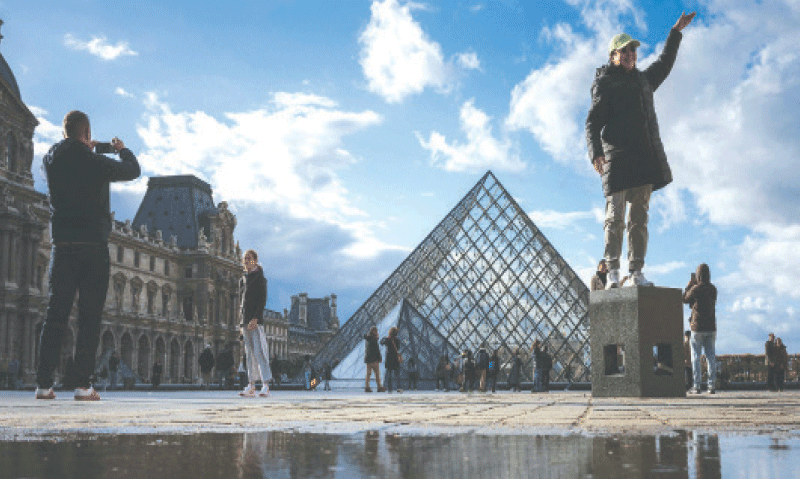
PARIS: French investigators have analysed dozens of DNA samples and fingerprints after this weekend’s daylight jewel theft from the Louvre museum, a prosecutor said on Thursday.
Up to “150 DNA samples, fingerprints and other traces” have been identified, prosecutor Laure Beccuau told a newspaper. She said their analysis was a priority and results within the next days would hopefully provide leads, especially if the culprits had a criminal record.
On Sunday, the thieves clambered up the extendable ladder of a stolen movers truck and, using cutting equipment, broke into a first-floor gallery containing jewels.
They dropped a diamond- and emerald-studded crown as they fled down the ladder and onto scooters, but still made away with eight pieces of jewellery worth an estimated $102 million.
The Louvre’s director has admitted they had taken advantage of a blind spot in the security surveillance of the museum’s outside walls.
But Beccuau said public and private security cameras elsewhere had allowed detectives to track the thieves “in Paris and in surrounding regions”.
She hoped that, with all the media attention on the robbery, “the robbers will not really dare move with the jewels”. “I want to be optimistic,” she said.
The director of an auction house said he feared the jewels would be broken down into gems and precious metal to be sold, as they would be “completely unsellable in their current state”.
Items stolen include an emerald-and-diamond necklace that Napoleon Bonaparte gave his wife, Empress Marie-Louise, and a diadem that once belonged to the Empress Eugenie, which is dotted with nearly 2,000 diamonds.
Sunday’s brazen theft has made headlines across the world and sparked a debate in France about the security of cultural institutions.
Less than 24 hours after the break-in, a museum in eastern France reported the theft of gold and silver coins after finding a smashed display case.
Published in Dawn, October 24th, 2025