Trump says he expects expansion of Abraham accords soon
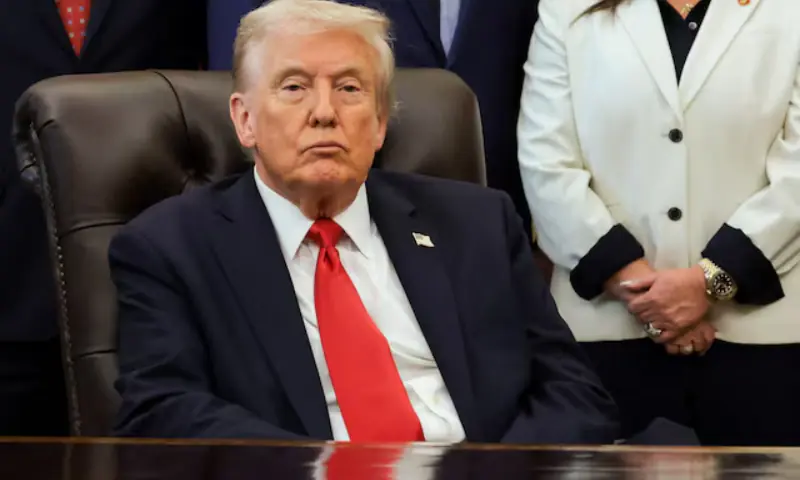


US President Donald Trump said he expected an expansion of the Abraham Accords soon and hopes Saudi Arabia will join the pact that normalised diplomatic relations between Israel and some Arab states.
“I hope to see Saudi Arabia go in, and I hope to see others go in. I think when Saudi Arabia goes in, everybody goes in,” Trump said in an interview broadcast on Friday on Fox Business Network.
Trump said he had “some very good conversations” as recently as Wednesday with states that have indicated their willingness to join the accords.
“I think that they’re going to all go in very soon,” Trump said in the interview, which was recorded on Thursday.
The United Arab Emirates and Bahrain signed the accords in 2020 during Trump’s first term in the White House, breaking a longstanding taboo to become the first Arab states to recognise Israel in a quarter century. Morocco and Sudan followed suit.
Trump, who convened Muslim and European leaders in Egypt to discuss the future of the Gaza Strip on Monday, has presented his plan to end the onslaught in Gaza as the catalyst for a wider regional peace settlement.
He said then that more countries would join the Abraham Accords initiative and even floated the idea of a peace deal between arch Middle East enemies Iran and Israel, telling the Israeli parliament he thought Iran wanted one: “Wouldn’t it be nice?”
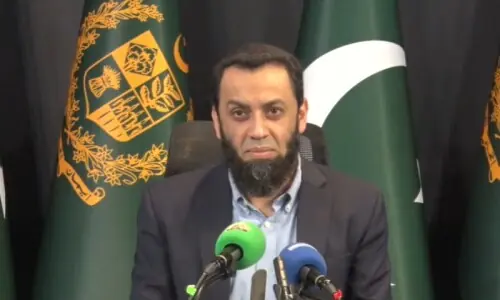
Earlier in June, Foreign Minister Ishaq Dar ruled out the possibility of Pakistan joining the Abraham Accords, stating that such a move would effectively mean abandoning the country’s longstanding support for a two-state solution to the Palestinian conflict and recognising Israel.
“We are not ready to recognise Israel until the two-state solution to the Palestine conflict is accepted,” Dar said. “There is no change in our stated policy on the Palestine issue.”