World Bank warns US tariffs on Indian goods could slow South Asia’s growth in 2026
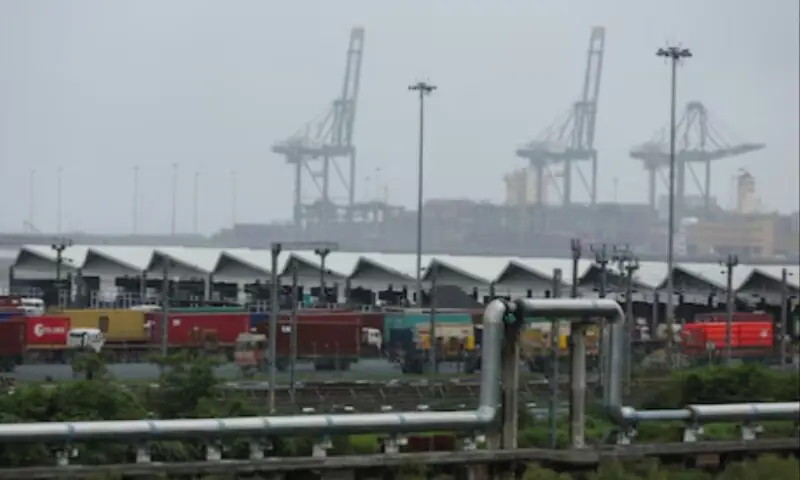
The World Bank said on Tuesday that higher tariffs on Indian goods exported to the US would be a drag on South Asia’s economic growth rate in 2026, even as it remains shielded in the current year by government spending.
The World Bank said growth in South Asia was expected to slow sharply to 5.8 per cent in 2026 from its projection of 6.6pc for 2025. Its forecast for the region comprises India, Bangladesh, Sri Lanka, Nepal, Bhutan, and the Maldives.
“For 2026, the forecast has been downgraded, as some of these effects unwind and India continues to face higher-than-expected tariffs on goods exports to the United States,” the World Bank said in its report.
The World Bank has raised its forecast for India’s growth in the current fiscal year ending March 2026 to 6.5pc from 6.3pc, while trimming its projection for the next fiscal year to 6.3pc from 6.5pc due to tariffs imposed by the United States.
US President Donald Trump has imposed a 50pc tariff on most exports from India, among the highest for any US trading partner.
The move impacts about $50 billion of Indian exports to the US, mainly hurting labour-intensive sectors such as textiles, gems and jewellery and the shrimp industry.
To offset the impact of tariffs, Indian Prime Minister Narendra Modi cut taxes on everything from shampoos to cars last month, in the biggest tax overhaul since 2017, even as India continues to spend aggressively on infrastructure projects.
About one-fifth of India’s total exports in 2024 went to the United States. The new tariffs affect about three-quarters of all Indian goods exported there.