IT is disappointing that the Indian cricket team felt compelled to engage in theatrics on what should have been a celebratory occasion.
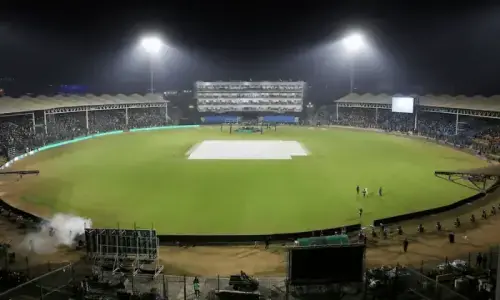
Having clinched the Asia Cup after a thrilling contest with Pakistan, the side ought to have basked in its triumph. Instead, it spoiled the moment by refusing to accept the trophy from the Asian Cricket Council chief, because he is a Pakistani national.
That act of arrogance was not isolated. From its captain’s refusal to shake hands in the opening match to his overtly political comments in the post-match awards ceremony, the Indian cricket team’s behaviour seemed scripted to turn the game into another stage for New Delhi’s nationalist posturing. Their prime minister wasted no time in reinforcing this narrative, describing India’s victory as “Operation Sindoor on the games field”.
That he felt compelled to cast a sporting win in the language of war spoke less of confidence than of his insecurity, betraying the scars of his government’s military misadventure against Pakistan earlier this year.
The pettiness is particularly regrettable given cricket’s history in the region. Since the beginning, the game has seen fierce rivalry but also provided some rare occasions for goodwill between the two nations.
Vajpayee’s “friendship through cricket” initiative in 2004 and the 2011 World Cup semi-final in Mohali, famously attended by the prime ministers of both countries, reminded South Asians that sport offers respite from hostility. These occasions gave ordinary people a glimpse of what statesmanship and sportsmanship could achieve. India’s current approach is the opposite. Even as its team shone on the field, it chose to be arrogant off it, ensuring the tournament would be remembered less for its skill and more for its churlish behaviour. The disappointment is immense, especially for fans who turn to cricket for joy, not as a platform for leaders to flaunt their insecurities.
Equally troubling is the general political climate that feeds this behaviour. India insists on Pakistan’s culpability in the Pahalgam terrorist attack, but has yet to provide any compelling evidence. Its leaders repeat the allegation endlessly, as if that can substitute for proof. It was this unyielding stance that brought both countries to the brink of nuclear catastrophe earlier this year.
To now see the same rhetoric spilling into cricket is extremely dangerous. It narrows the space for peace, deepens mistrust, and denies the region any room for optimism. The Indian cricket team had a chance to show grace in victory; to remind millions that the sport can offer relief when politics fails. Instead, it left behind not only the trophy it refused to receive, but also a lasting impression of the country’s insecurities. The people of the two countries deserve better. Their shared love of the game should not be exploited in so crass a manner.
Published in Dawn, September 30th, 2025