Pakistan removed from anti-doping agency’s watchlist
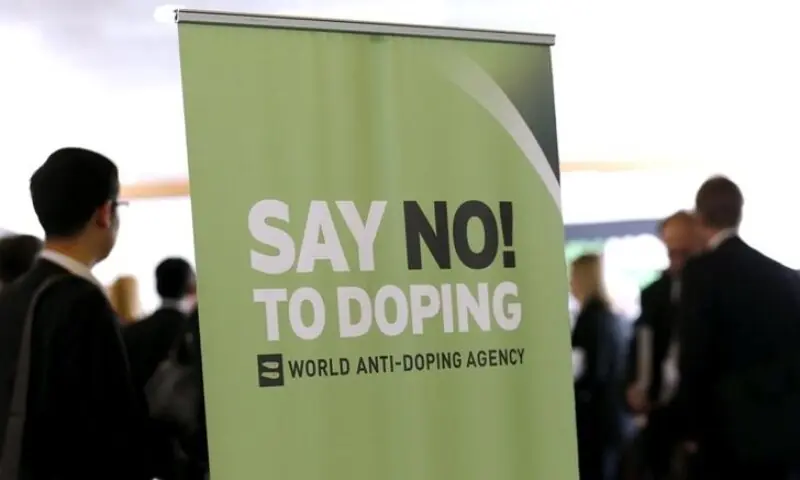
Pakistan has been removed from the World Anti-Doping Agency’s (Wada) watchlist, a spokesperson of the Pakistan Sports Board (PSB) said on Friday.
The country was placed on Wada’s watchlist in September 2024 over outstanding non-conformities to the agency’s updated anti-doping code.
According to the spokesperson, WADA confirmed that the compliance procedure against Pakistan’s Anti-Doping Organisation (Adop) was closed after all pending corrective actions were completed.
“A follow-up confirmation from Wada in September reiterated that Pakistan was no longer under enhanced monitoring, ending speculation over possible sanctions,” the statement said.
PSB Deputy Director General (DG) Shahid Islam was informed of the decision by Wada via email, the PSB spokesperson told Dawn.com.
The statement also said that corrective measures were put under PSB DG Yasir Pirzada’s leadership, including policy alignment and procedural reforms, ensuring that Pakistan met the stringent global standards in time.
“This is not just a bureaucratic victory; it is a lifeline for Pakistani athletes and sports federations,” Pirzada was quoted as saying.
“For a country preparing to showcase itself on major sporting platforms, this clearance from Wada marks a vital step forward,” the statement added.
It also highlighted that the failure to meet critical anti-doping requirements by January would trigger automatic non-compliance, which “could have barred Pakistani athletes from competing under the national flag and risked international isolation in sport”.
Last year, Wada placed seven national anti-doping organisations on a watchlist, giving them four more months “to correct outstanding non-conformities” to a new anti-doping code. The countries included Namibia, Pakistan, Panama, Samoa, Senegal, Uganda and Uruguay.
In May, the body’s president Witold Banka pushed back against what he called the growing politicisation of efforts to stem the use of performance-enhancing drugs in sports. “The politicisation of anti-doping is something which is very concerning,” he said.
“We see more and more attempts to politicise the anti-doping environment. There is no place for politics or turf wars in the fight for clean sport,” he added.