Sharp rise seen in Afghans’ return after end of deadline
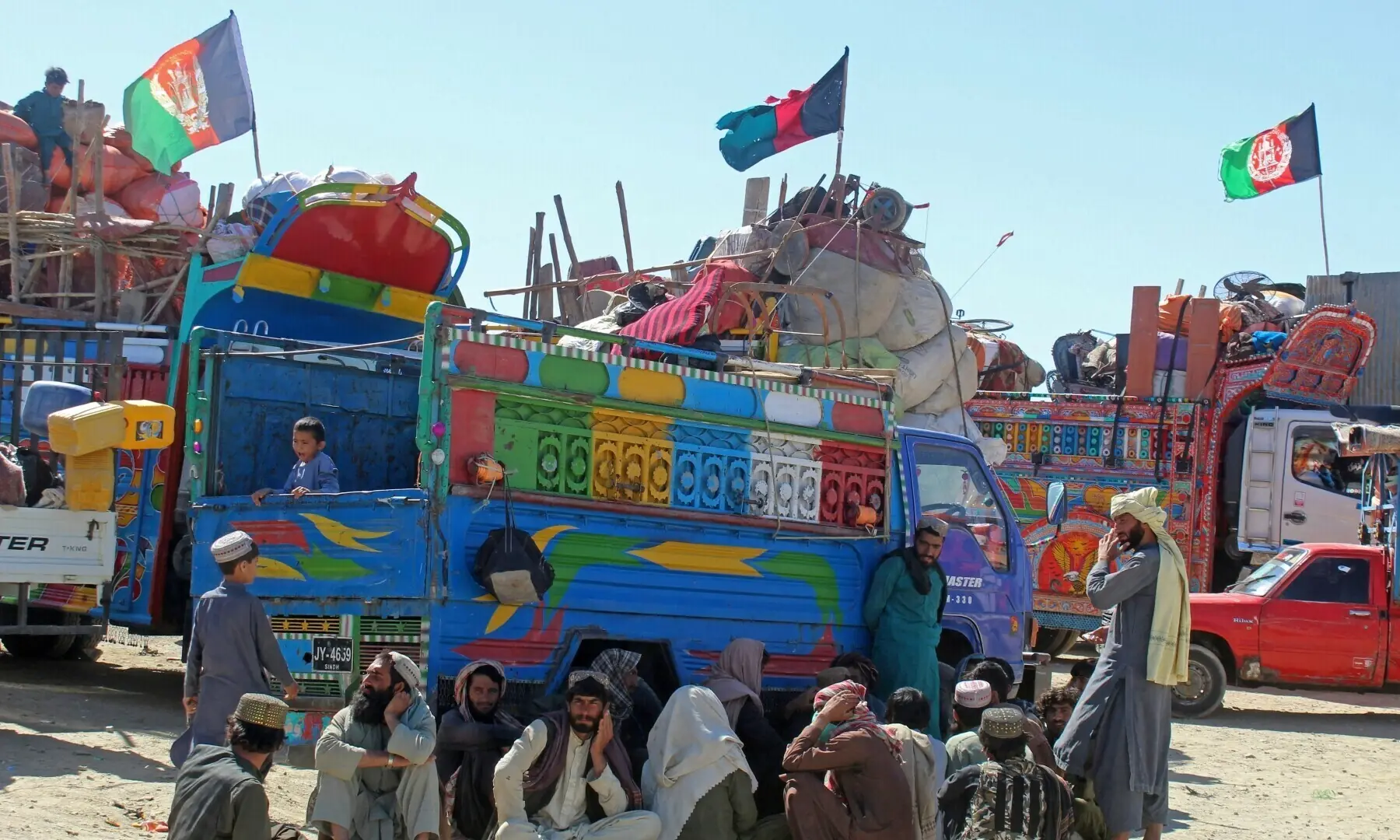

ISLAMABAD: The UN refugee agency has said that the expiry of Proof of Registration (PoR) cards grace period that ended on August 31, has triggered a sharp rise in the return of Afghans from Pakistan.
A situation report of the UNHCR released on Friday said that in August alone, returns increased by 254 per cent, while deportations rose by 191pc as compared to July, coinciding with the start of the third phase of the ‘Illegal Foreigners Repatriation Plan’ (IFPR).
The report says 531,700 Afghans have returned from Pakistan,as of September 4.
Since April, more than 483,700 Afghans have returned from Pakistan to Afghanistan, including 145,200 in August alone, with some 55,000 making the journey in just the final four days of the month.
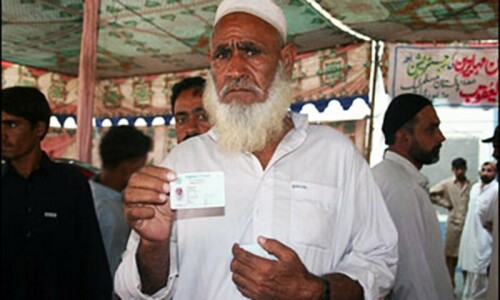
The proportion of Proof of Registration (PoR) card holders among returnees has steadily increased, rising from 6 per cent in April to 21–23 per cent between May and July.
UNHCR report reveals that as of Sept 4, around half a million refugees have returned
In August, this share grew sharply, with PoR cardholders accounting for 54pc (77,700 individuals) of all returns recorded to date, the UNHCR data shows.
Some 57,300 individuals have been arrested and detained since April, including PoR card holders. In August alone, some 9,000 arrests were recorded, compared to some 3,400 in July. The top three districts for arrest and detention are Chaghi (Balochistan), Islamabad and Pishin (Balochistan).
In Afghanistan, the UNHCR continued to biometrically process and provide cash assistance to PoR card holders and their nuclear family members, UNHCR slip holders, asylum seeker certificate holders and other protection referrals.
This support aimed at alleviating the difficulties faced by Afghans who have returned home hastily, and often largely unprepared due to the circumstances in Pakistan, the report says.
Published in Dawn, September 6th, 2025