Australian report raises concerns over age-verification software ahead of teen social ban
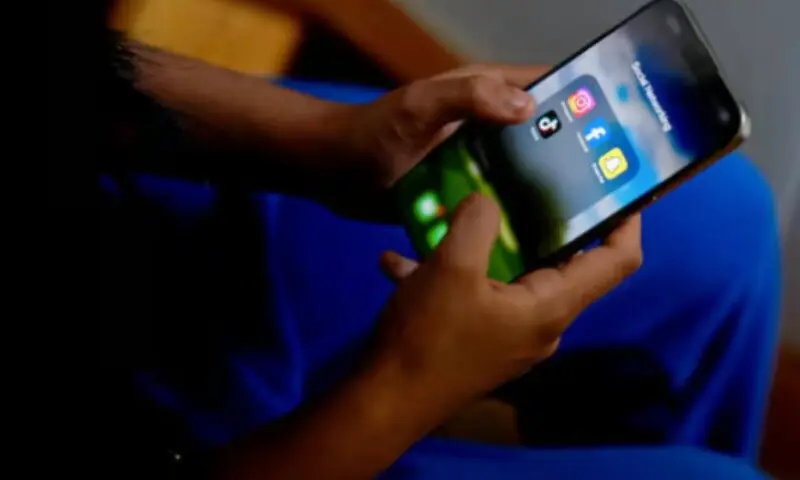


An Australian government-commissioned report said selfie-based age-guessing software could enforce a teen social media ban, but noted that some groups experienced “unacceptable” levels of inaccuracy, raising concerns about the December rollout.
The report, published by the government on Monday, said photo-based age estimation products were broadly accurate, fast and privacy-respecting but noted worsening results for people near the age minimum of 16.
The findings foreshadow a mixed experience once the ban takes effect in December: Caucasians three years over the age cut-off can expect minimal disruption, but non-Caucasians and teenage girls face challenges.
The experience may also be more complicated for social media platforms from Meta’s META.O Instagram to Alphabet’s GOOGL.O YouTube, which, under the law, must show they are taking reasonable steps to block users under 16 or face a fine of up to A$49.5 million ($32 million).
The trial found high accuracy for people over 19, but those up to three years on either side of the cut-off were in a “grey zone where system uncertainty is higher”.
Users aged 16 had an 8.5 per cent chance of being estimated as underage, so they might need to be “diverted to supplementary assurance methods, such as ID-based verification or parental consent”, the report said.
“While systems generally performed well across diverse user groups, some showed reduced accuracy for older adults, non-Caucasian users and female-presenting individuals near policy thresholds,” the report added.
Social media experts said the report raised questions about whether the ban could work in three months.
“It seems like there are a lot of variations in accuracy,” said Justine Humphry, a media researcher at the University of Sydney who specialises in online safety.
“That variation is concerning, with the tight schedule for the introduction of a system that will need to be robust and working by the end of this year,” she added.
Communications minister Anika Wells said the report proved that “while there’s no one-size-fits-all solution to age assurance, this trial shows there are many effective options and importantly that user privacy can be safeguarded”.