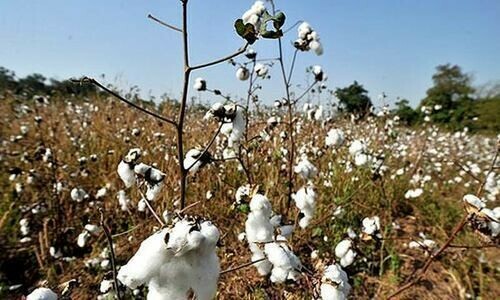
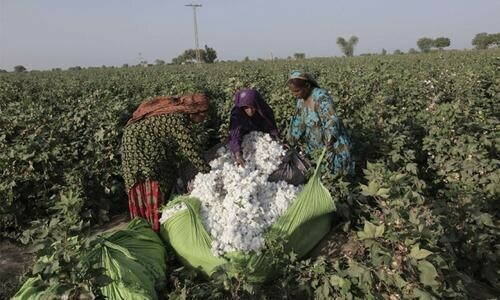
LAHORE: The Pakistan Cotton Ginners Association (PCGA) has initiated a crackdown on the mixing of low-grade cotton with higher-quality lint, a practice that has been damaging the overall quality of Pakistan’s cotton.
The move is aimed at improving cotton quality and boosting exports, with an emphasis on ensuring fair practices in the ginning process.
This initiative, which marks a first in the country, comes amid growing concerns over the declining quality of domestically produced cotton. A major reason for this, as identified by textile mill owners, is the practice of mixing substandard cotton with premium grades, which undermines the quality of the entire bale. Such practices have led to increased imports of cotton, as mills increasingly rely on foreign supplies to meet demand for high-quality raw materials.
Several factors contribute to the deteriorating quality of local cotton, including the use of poor-quality seeds, contamination during collection, and outdated farming practices. These issues result in inconsistent quality, lower recovery rates, and damage to the textile industry.
Additional challenges, such as climate change, water scarcity, and pest infestations, have further reduced cotton yields in Pakistan, exacerbating the problem. The situation is worsened by import policies that discourage the purchase of locally produced cotton.
Move aims to stop the mixing of low-grade cotton and boost exports
The textile sector had long suspected that some ginners were involved in mixing poor-quality cotton with higher grades, which was damaging the overall cotton supply. To address these concerns, the PCGA launched an investigation and found that ginners in both Sindh and Punjab were deliberately mixing low-grade cotton during the ginning process.
In response, the PCGA formed special squads to carry out raids on ginning factories. A recent raid on a facility in Sanghar, Sindh, uncovered the practice of mixing substandard cotton. The PCGA, while reprimanding the factory owner, chose not to impose any penalties after he tendered a sincere apology.
However, the association issued a stern warning, stating that any future instances of such practices would result in severe consequences. According to a circular from the PCGA, such a factory would be sealed, and the owner would be blacklisted, effectively preventing any textile mills from purchasing cotton from that unit.
Ihsanul Haq, Chairman of the Cotton Ginners Forum, revealed that the issue is not limited to ginners alone. He claimed that a network of textile mills representatives and laboratory officials is complicit in the production and sale of mixed cotton. Haq alleged that this network involves ginning unit owners, textile mills procurement officers, and laboratory staff, who issue clearance reports for the substandard cotton in exchange for a share of the profits.
The PCGA’s new monitoring measures are expected to have a significant impact on the quality of Pakistani cotton, with hopes that this will help reverse the decline in cotton exports. The PCGA’s actions come at a crucial time, as Pakistan’s cotton exports are suffering due to a decrease in the value of the dollar, making local cotton products more expensive in international markets.
By targeting the root causes of quality issues, the PCGA aims to restore Pakistan’s reputation as a reliable supplier of high-quality cotton, which could lead to a revival in the country’s cotton export industry.
Published in Dawn, August 24th, 2025