Sri Lanka’s former president Wickremesinghe arrested over alleged misuse of state funds
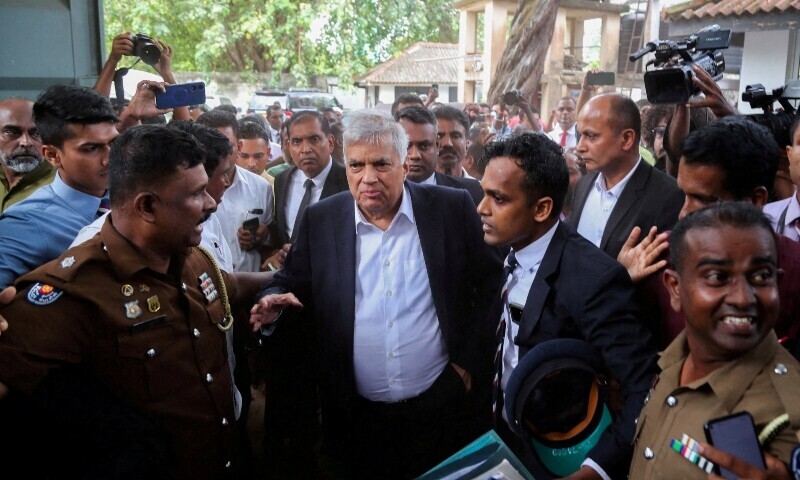
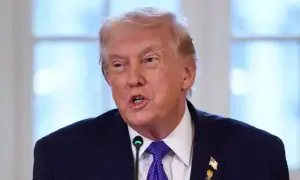
Former Sri Lankan president Ranil Wickremesinghe, who led the country during a devastating 2019-2024 economic crisis, was arrested and appeared in court on Friday over allegations he misused state funds while in office, police said.
Wickremesinghe, 76, who lost power in a 2024 election, had been investigated over a visit he made to London to attend his wife’s graduation ceremony, local media reported.
Police confirmed his arrest for alleged misuse of public funds.
“Former president Ranil Wickremesinghe has been arrested and produced in court. We are awaiting the court directive to decide what further steps need to be taken,” a police spokesperson said.
Wickremesinghe’s office did not respond to a request for comment from Reuters.
An ally from his United National Party (UNP) proclaimed his innocence and suggested the case was politically motivated.
“Ranil Wickremesinghe has never misused public funds or state funds,” UNP member Nishantha Sri Warnasinghe told reporters gathered outside the court complex where the former president appeared in Colombo.
“He was the person who stepped up and accepted the challenge to save this country when the economy collapsed,” Warnasinghe said. “That is the person who is being treated like this today by this government.”
Sri Lanka’s cabinet spokesperson did not immediately respond to a request for comment.
Political Family
Wickremesinghe, a lawyer who also served as Sri Lanka’s prime minister a record six times, became president in 2022 at the height of the Indian Ocean island nation’s debilitating financial crisis.
Wickremesinghe, who leads the UNP, took over after widespread protests caused by an economic meltdown forced his predecessor, Gotabaya Rajapaksa, to flee the country and later resign.
He finished third in last year’s presidential election — the first since the economic crisis — behind Marxist-leaning Anura Kumara Dissanayake, who won the vote, and opposition leader Sajith Premadasa.
The election was largely seen as a referendum on Wickremesinghe, who led a successful but fragile economic recovery that included painful austerity measures.
Born into a prominent family of politicians and businessmen with significant media interests, Wickremesinghe was, at 29, appointed the country’s youngest cabinet minister by his uncle, then-President Junius Jayewardene in 1978.
In 1994, following the assassinations of several of his senior colleagues, Wickremesinghe became leader of the UNP.