0
0

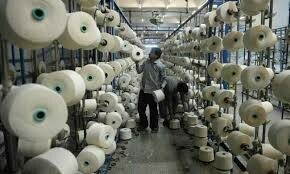
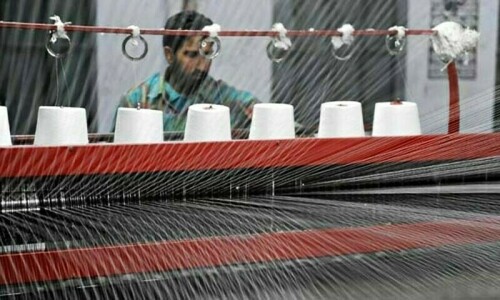
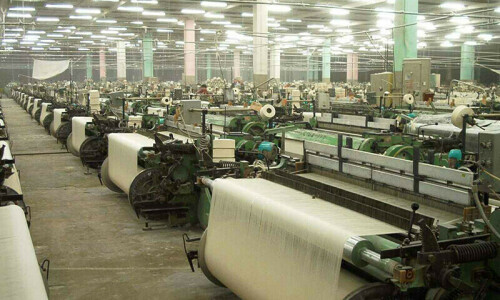
ISLAMABAD: Pakistan’s textile exports are struggling to keep pace with neighbouring countries, primarily due to the high cost of doing business, despite the potential to double export volumes and capitalise on growing demand in North American markets.
In the wake of the US revision of tariffs on Pakistan’s competitors, leading textile exporters met Finance Minister Muhammad Aurangzeb on Thursday to discuss the mounting challenges. These challenges, they explained, include elevated tax rates, surging energy costs, and high interest rates that are hindering the sector’s growth potential.
Pakistan’s textile sector continues to lag behind regional rivals. For the fiscal year 2024-25, the country’s textile exports stood at $17.88bn, significantly lower than Bangladesh’s $40.22bn and India’s $36.61bn. Exporters noted that despite Pakistan’s strong position, the cost of doing business is eroding the country’s competitiveness in global markets.
A delegation of top textile and garment exporters, led by Shahzad Saleem of Nishat Chunian Ltd and including prominent figures such as Aamir Fayyaz of Kohinoor Mills, Shahzad Ahmad of Arshad Corporation, and Khurram Mukhtar of Sadaqat Textiles, discussed the key challenges with the finance minister.
One of the major concerns raised was the high industrial electricity tariffs, projected to reach approximately 12 cents per kilowatt-hour (kWh) by FY26, significantly higher than the rates in competing economies, where tariffs range from 5 to 9 cents/kWh. The exporters argued that this cost disparity is undermining Pakistan’s export competitiveness.
Alongside high tariffs, exporters cited frequent power outages, voltage fluctuations, and grid tripping as significant operational disruptions. These issues have caused damage to equipment and affected production timelines in textile units, further compounding challenges for exporters.
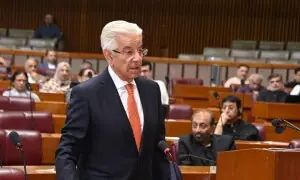
In response, Mr Aurangzeb assured the delegation that the government is committed to strengthening the textile sector. He outlined plans to create an enabling environment that supports growth, competitiveness, and resilience in the face of global market challenges.
He also mentioned that the government is pursuing reforms aimed at reducing structural bottlenecks, rationalising the tax framework, and aligning fiscal measures with industrial priorities.
He emphasised that the forthcoming industrial policy would be tailored to market realities and industry expectations.
Published in Dawn, August 22nd, 2025