

LAST week, friends and colleagues of Zubeida Mustafa gathered at the journalism institute in Karachi to reminisce about the remarkable life of this remarkable journalist, editor and mentor to many. Everyone had a story to narrate about how she impacted their life by inspiring them, mentoring them or, in my case, breaking me. Let me explain: this was how I felt when I was given charge of The Review three months after joining Dawn in 2001.
I was a newbie and it was unusual for someone so new to receive a managerial position, especially as I didn’t have much to show for it, at least where Mrs Mustafa was concerned. So she was tough, with her questions and feedback such as ‘why did you run this’ or ‘not run this’. Thankfully, I had enough common sense to know she was my elder and could take certain liberties. Within a short period, the questions stopped and she was the first to admire and encourage. I said at the event that I graduated from Zubeida Mustafa’s School of Journalism where you got tough then soft love.
The one big takeaway from her lessons was never to stop being curious. She remained curious about my time in Vietnam, my switch to teaching, a return to the newsroom in 2022 and my podcast ventures. She also gave a guest lecture to my class where she signed copies of her book. My only regret is that I didn’t push her harder when I asked to interview her in 2024. She was reluctant, she felt no one was interested in hearing what she had to say but, as always, insisted that I come visit her. She had a running joke with me about her being an owl and me an early bird. What kind of journalist are you that you sleep so early, she asked.
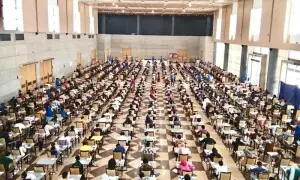
At the event last week, her sister, Dr Fatema Jawad, shared stories about Mrs Mustafa’s last few years, how she navigated health challenges and remained an optimist. I was stunned to hear that on the day they took her to the hospital, as she was getting ready to go, she asked “why are there so many children out of school?”
Government spending on education has fallen to a new low.
Dr Jawed told her “let’s write about it when you return”.
I could never do it justice but I would like to attempt to answer that query as a small way to honour Mrs Mustafa’s unending advocacy for the most marginalised communities.
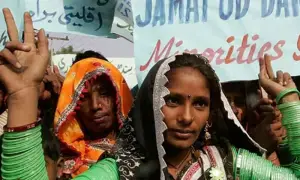
Unicef says Pakistan has the world’s second highest number of out-of-school children, estimated at 26 million. As I read material on this subject — the dismal figures, the lack of will to implement policies — I felt the frustration that I imagine Mrs Mustafa must have felt, and marvelled at how she kept at it all those decades. In her fortnightly column for this paper, she explained that lack of will last year as “the powers that be hope to keep the people ignorant and incapable of thinking critically and developing problem-solving skills”.
Why bother when the state hasn’t? Government spending on education has fallen to a new low in the past year, according to a report by Save the Children. The UN recommends that governments allocate between four to six per cent of their GDP to education. According to the Pakistan Economic Survey, the percentage of GDP spent on education has declined from 2pc in 2018 to 0.8pc. From July 2024 to March 2025, education expenditure fell by 29pc.
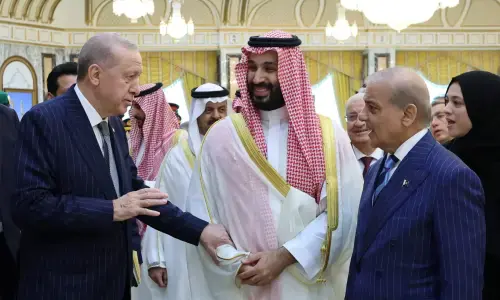
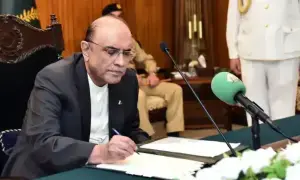
The prime minister’s declaration of an education emergency sounds hollow when pitted against these figures. While it’s unfair to blame his government alone, we have got to move beyond the sloganeering and optics. I long admired Shehbaz Sharif’s laptop scheme because I’ve seen how it benefited innumerable young people but you need to do something more tangible. A large percentage of chil-dren across the co-untry haven’t com-pleted their primary education, or have not enrolled at all. If you can’t get them to enrol, what are you doing to protect their welfare? Thank goodness for the organisations and individuals who have stepped in to do the hard work the state seems to have washed its hands of — that is, caring for us.
We have all seen advertisements by various political leaders championing education but the grim reality is that there are too many ghost schools, too many funds squandered to maintain lifestyles or publish self-congratulatory ads about ambitious plans to educate. Get down and just do it.
It is the attitude Mrs Mustafa and her generation embodied.
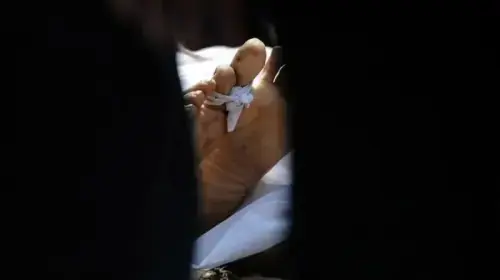
In case you have not heard, Zubeida Mustafa donated her corneas, which restored the vision of two young men. A firm proponent of organ donation, she really led by example. One can only hope that her decision will encourage other people to consider doing the same. I know I will.
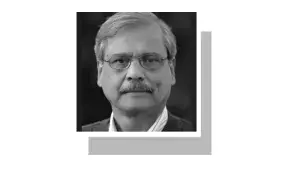
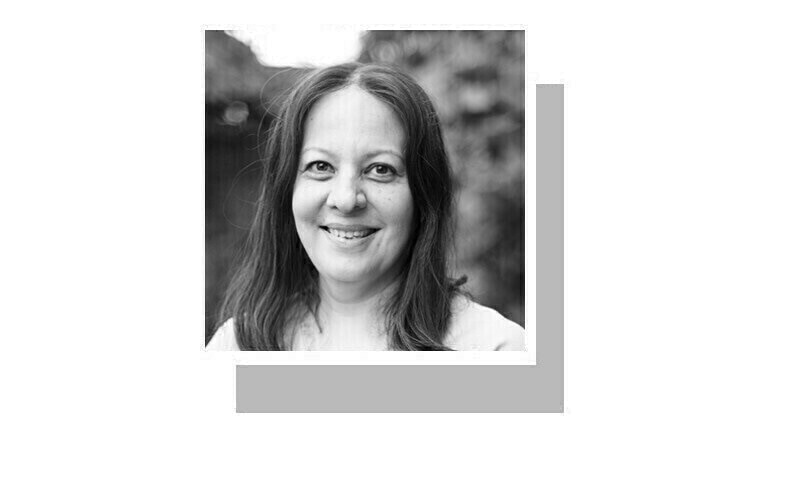
The writer is an instructor of journalism.
X: LedeingLady
Published in Dawn, August 10th, 2025