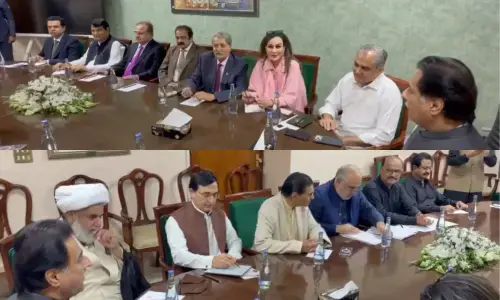
ISLAMABAD: The National Rural Support Programme on Tuesday celebrated the completion of its two-year Internet Dost and Internet Zabardast initiative, which empowered more than 132,000 people in underserved communities across Pakistan.
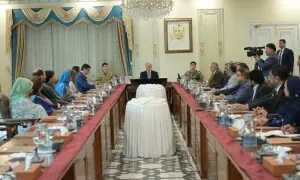
A statement issued here said supported by Google, the project aimed to bridge the country’s digital divide by equipping women, children, teachers and parents with essential digital skills and online safety knowledge. Over 130 representatives from government bodies, UN agencies, INGOs, NGOs and the private sector gathered in Islamabad to reflect on the project’s impact.
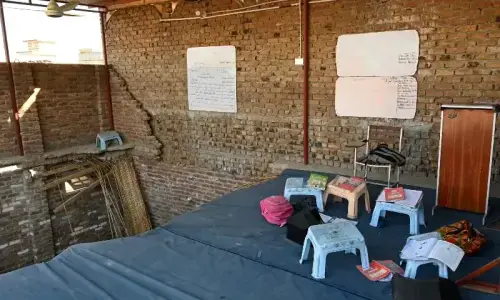
Since its launch, the initiative had reached 132,951 beneficiaries in 52 districts spanning Punjab, Sindh, Khyber Pakhtunkhwa, Balochistan, Gilgit-Baltistan and Islamabad. Among them were 78,785 women and 50,099 children, who received training through a community-led model.
Rural women served as Internet Dosts-local digital trainers while Internet Zabardast introduced storytelling methods to teach online safety to children and parents.
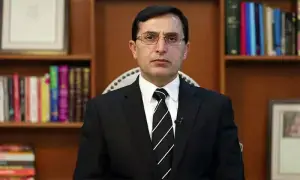
Dr Rashid Bajwa, CEO of NRSP, hailed the initiative as a breakthrough for education and livelihoods in rural areas.
He said digital literacy had opened doors to financial inclusion and entrepreneurship with women running small businesses and teachers integrating technology into classrooms.
Dr Bajwa urged the Ministry of Human Rights to recognise digital literacy as a basic right and frame policies to ensure wider adoption. He also announced plans to scale the programme to reach one million women nationwide.
Senator Fozia Irshad, Chairperson of the Senate Standing Committee on Education, called the project a model worth replicating on a larger scale. SECP Commissioner Zeeshan Rehman Khattak praised the partnership’s success, noting their joint efforts had already trained 1,600 rural women in financial literacy. He suggested integrating investor education into future programmes to deepen impact.
Rana Tariq, Director at the Ministry of Human Rights, pledged the ministry’s support to expand the project.
FAO’s Amna Bajwa underscored the importance of combining digital skills with agriculture-focused training so farmers can access market prices, weather updates and modern practices online.
NRSP Microfinance Bank CEO Riaz Bangush noted how digital literacy had transformed lives with women confidently managing mobile wallets instead of traveling long distances to banks.
Beneficiaries shared stories of change, including Gulnaz Bibi from Sindh, who now sells handicrafts online, and Shagufta Noor from KP, who teaches children about internet safety.
Partners also reaffirmed their commitment to building a digitally inclusive Pakistan, applauding Google for its visionary support.
Published in Dawn, July 16th, 2025