THOUGH IMF Resident Representative for Pakistan Mahir Binici’s words of commendation for the country’s “strong performance so far” under the $7bn Extended Fund Facility (EFF) ‘vindicate’ the government’s economic and fiscal policies, his compliments should be taken with a pinch of salt.
His praise for the government’s economic performance is primarily based on the relatively stronger implementation of IMF programme goals, which have indeed helped pull the economy back from the brink. But they have also imposed a very heavy cost on growth and ordinary people.
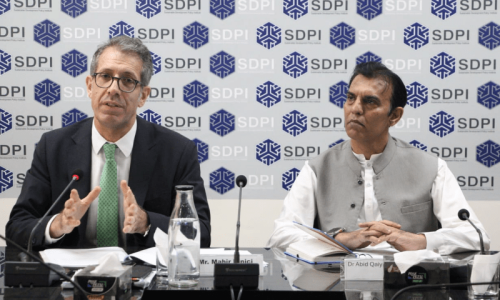
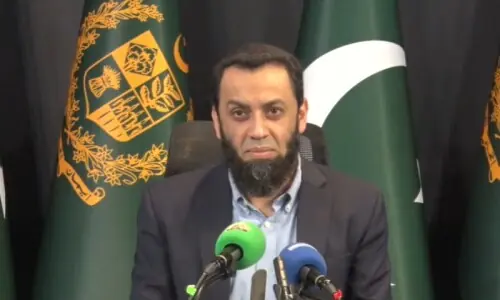
Noting that the successful first review of the EFF encompassing the agreement on the federal budget blueprint was a major milestone, he told a group of researchers and economists in Islamabad recently that the country’s growth prospects in 2025 and beyond would improve.
However, he was quick to punctuate his optimism with “the critical importance of continued structural reforms aimed at strengthening tax equity, improving the business climate and promoting private-sector-led growth to ensure long-term economic sustainability,” besides reforms to tackle climate-related vulnerabilities.
Mr Binici further cautioned that elevated trade tensions, geopolitical fragmentation and weakening global cooperation continued to generate uncertainty and weigh in on the global economic outlook, underlining the urgent need for prudent, forward-looking policy actions. In short, the IMF official said only what a financial diplomat should have stated publicly.
The economy has no doubt stabilised in the last year. Headline inflation is down, the fiscal deficit has been reduced, the exchange rate remains stable, and so on. Much credit goes to the IMF programme for this stability. But a lot of this stability and improved fundamentals is owed to lower global oil and commodity prices, and soaring inward remittances — not just the implementation of the IMF plan.
On the flip side, the economy is yet to turn the corner. Growth remains anaemic, with exports and foreign investment stagnant. Productivity and structural reforms are slow to roll out. Tax collection as a percentage of GDP is still one of the lowest in the world despite an increase in revenues. Businesses are resisting even patchy efforts to increase the tax base. It would not be incorrect to say that the economy is still just a shock — like an increase in oil prices or reduction in remittances sent by overseas Pakistanis — away from relapsing into another crisis. If anything, the long-term benefits of the current stability hinge on the depth and continuity of structural reforms beyond the IMF-dictated goals.
The government would be well advised to focus on the part of Mr Binici’s statement where he cautions against complacency and warns of exogenous challenges to the sustainability of gains made so far rather than just using his commendation to validate its sketchy, patchwork reforms.
Published in Dawn, July 15th, 2025