Monsoon floods kill five in India’s northeast
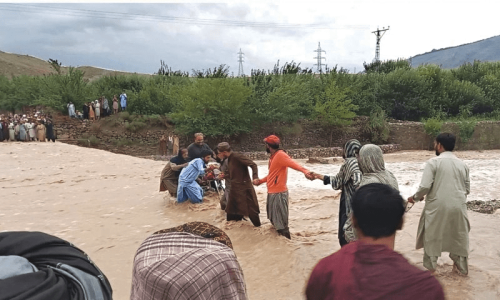
GUWAHATI: Torrential monsoon rains in India’s northeast triggered landslides and floods that swept away and killed at least five people in Assam, disaster officials said on Saturday.
India’s annual monsoon season from June to September offers respite from intense summer heat and is crucial for replenishing water supplies, but also brings widespread death and destruction.
The deaths recorded are among the first of this season, with scores often killed over the course of the rains across India, a country of 1.4 billion people. The monsoon is a colossal sea breeze that brings South Asia 70-80 percent of its annual rainfall.
Rivers swollen by the lashing rain — including the mighty Brahmaputra and its tributaries — broke their banks across the region. But the intensity of rain and floods has increased in recent years, with experts saying climate change is exacerbating the problem.
Assam State Disaster Management Authority officials on Saturday confirmed five deaths in the last 24 hours.
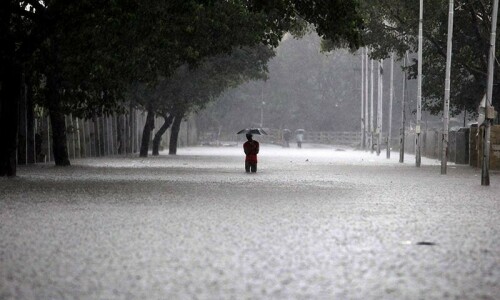
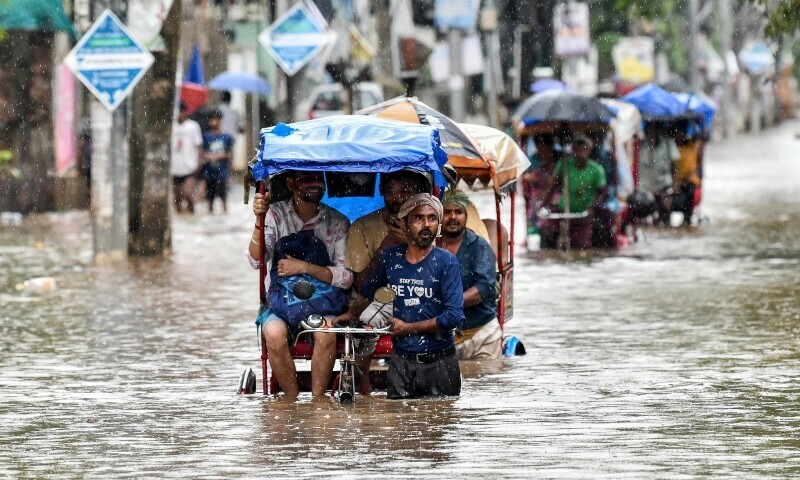
A red alert warning had been issued for 12 districts of Assam after non-stop rains over the last three days led to flooding in many urban areas. The situation was particularly bad in the state capital Guwahati.
City authorities have disconnected the electricity in several districts to cut the risk of electrocution. Several low-lying areas of Guwahati were flooded, with hundreds of families forced to abandon homes to seek shelter elsewhere.
Chief Minister Himanta Biswa Sarma said his government had deployed rescue teams.
“We have been reviewing the impending situation for the last three days”, he said in a statement, saying that supplies of rice had been dispatched as food aid. South Asia is getting hotter and in recent years has seen shifting weather patterns, but scientists are unclear on how exactly a warming planet is affecting the highly complex monsoon.
Published in Dawn, June 1st, 2025