Rubio heads to India for 'trade diplomacy'
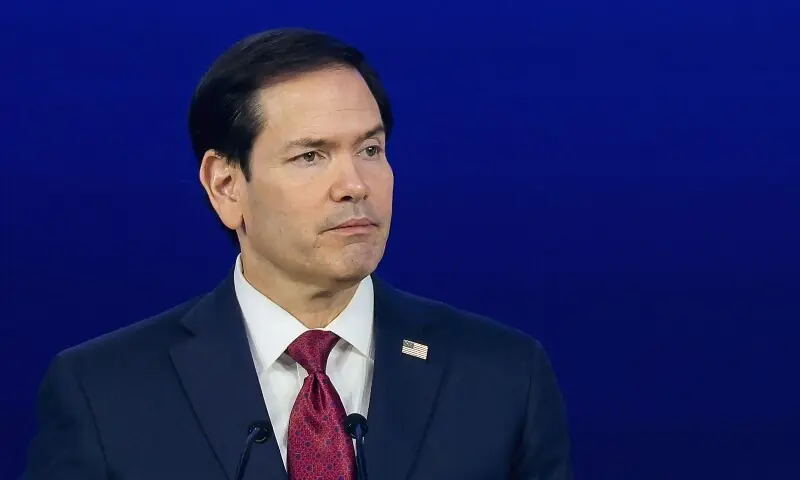
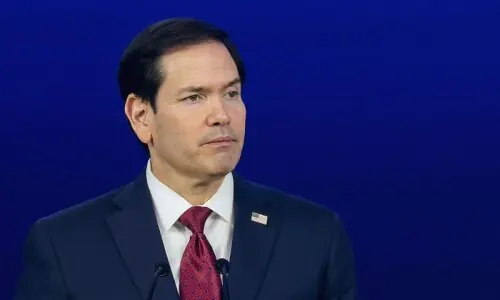
US Secretary of State Marco Rubio heads to India on Tuesday for his second official visit to the country this year, as he pursues an Asian tour blending diplomacy and trade.
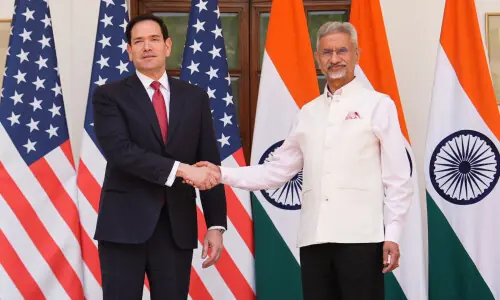
After a trip to Uzbekistan, where he called for stronger partnerships with Central Asian countries, Rubio will head to Mumbai to hold talks with Foreign Minister Subrahmanyam Jaishankar and meet business leaders.
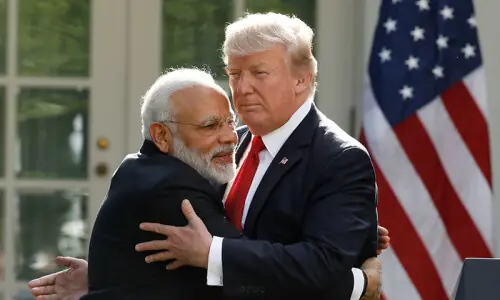
The top US diplomat visited New Delhi and Kolkata in May, while also touring the Taj Mahal and meeting Indian Prime Minister Narendra Modi.
No meeting with Modi is planned during this trip, which will also take Rubio to Jamnagar, in the western state of Gujarat, a port and stronghold of billionaire Mukesh Ambani’s Reliance conglomerate — including its key refinery, the world’s largest.
He is also expected to lay a wreath in memory of the 2008 Mumbai attacks that killed 166 people.
Rubio’s visit comes as the two countries struggle to finalise a trade deal that has been a source of repeated tensions.
Speaking in Samarkand on Monday, he said Washington and New Delhi were “very close” to an agreement.
However, the prospects of securing a deal during this visit appeared slim.
US President Donald Trump’s tariff war launched in April last year has added to friction over India’s imports of Russian oil and warming ties between Washington and Pakistan, India’s arch-rival.
Asked about temporary US sanctions waivers for Russian oil, of which India is a major importer, Rubio said Washington had to juggle multiple factors “including our bilateral relationships with other countries and what they realistically are capable of being able to do in terms of their own energy supplies”.
“You also can’t unravel the economy of other countries because of one central issue,” he said.
The two countries reached an interim trade agreement in February aimed at reducing US tariffs on Indian goods.
But days later, the US Supreme Court struck down Trump’s sweeping tariffs, fuelling uncertainty over when the agreement would take effect.
The two sides have been negotiating since.
Indian Finance Minister Nirmala Sitharaman this month described the talks as having reached “a plateau, beyond which giving or taking might be very, very difficult”.