ISLAMABAD: Senator Sherry Rehman on Wednesday called for immediate national action to protect the Indus River, warning of escalating threats from climate change, glacial retreat and India’s suspension of the Indus Waters Treaty (IWT) during the National Disaster Management Authority’s (NDMA) Summer Contingency Plan briefing.
Ms Rehman, chair of the Senate’s Standing Committee on Climate Change and Environmental Coordination, issued the warning at a high-level session led by NDMA Chairman Lt-Gen Inam Haider Malik.
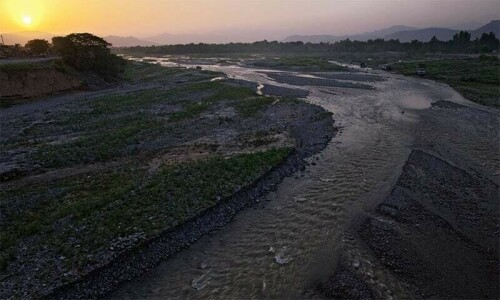
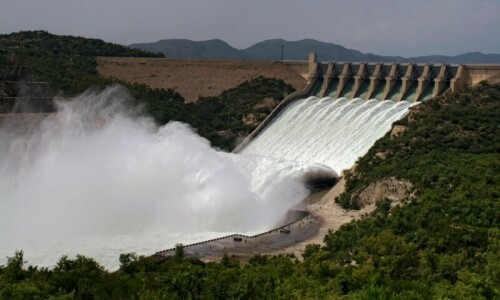
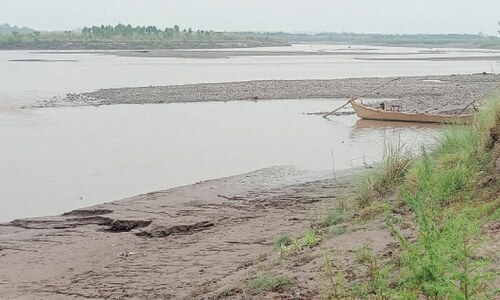
Calling the Indus River the country’s lifeline, she said over 90 per cent of Pakistan’s agriculture depends on it. “The Indus is already under climate stress, and now we are facing upstream aggression,” Senator Rehman said. “Over 240 million Pakistanis are effectively being held hostage by these escalating pressures.”
India’s suspension of the IWT termed ‘climate weaponisation’
She called for a coordinated national response involving the NDMA, the Ministry of Climate Change, and the Ministry of Water Resources. Ms Rehman characterised India’s suspension of the IWT as “not only a breach of international law, but a form of water and climate weaponisation.”
The consequences, she noted, could be devastating, especially for Sindh, where reduced water flow may lead to soil salinisation and food insecurity. “This isn’t a political issue alone. It’s an existential one,” she stressed, calling for immediate technical assessments and renewed meetings of the Indus Water Commission, which hasn’t convened in over two years.
The NDMA briefing revealed forecasts for heightened risks of early and volatile monsoon patterns, cloudbursts, glacial lake outburst floods (Glofs), and wind storms in the coming months. The NDMA chairman said climate disasters already cost Pakistan an estimated $4 million annually.
The agency reported it now monitors real-time climate signals using over 270 weather satellites and integrates data from seismic, hydro-meteorological, and oceanic systems. A new mobile application has also been launched to provide multilingual alerts to the public.
Mr Malik emphasised the importance of integrating multiple datasets, including infrastructure vulnerability and population density, for improved forecasting and more targeted warnings.
Published in Dawn, May 22nd, 2025