US iPhone supply shifts to India, other products to Vietnam


• Apple expects $900m tariff hit, faces disruption in supply chain
• CEO says most Apple products for sale outside US will still be made in China
SAN FRANCISCO: Apple on Thursday reported first-quarter profit above expectations but warned that US tariffs could cost the company and were disrupting its supply chain.
Apple expects US tariffs to cost $900 million in the current quarter, even though their impact was “limited” at the start of this year, chief executive Tim Cook said on an earnings call.
Cook said he expected “a majority of iPhones sold in the US will have India as their country of origin,” adding that Apple’s products were exempt from Trump’s most severe reciprocal tariffs for now.
“We are not able to precisely estimate the impact of tariffs, as we are uncertain of potential future actions prior to the end of the quarter,” Cook said.
“Assuming the current global tariff rates, policies and applications do not change for the balance of the quarter and no new tariffs are added, we estimate the impact to add $900 million to our costs.”
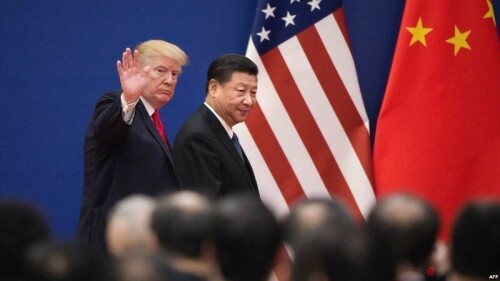
Tit-for-tat exchanges have seen hefty US levies imposed on China, with Beijing setting retaliatory barriers on US imports. High-end tech goods such as smartphones, semiconductors and computers received a temporary reprieve from US tariffs.
Although completed smartphones are exempted from Trump’s tariffs for now, not all components that go into Apple devices are spared, said independent tech analyst Rob Enderle.
“The more components are crossing borders, the most cost flows through to the device,” Enderle explained.
“In the end, this all adds up to an expensive mess,” he said of the tariff situation.
Canalys research manager Le Xuan Chiew said Apple built up inventory ahead of the tariffs going into effect.
“With ongoing fluctuations in reciprocal tariff policies, Apple is likely to further shift US-bound production to India to reduce exposure to future risks,” he said.
While iPhones produced in mainland China still account for the majority of US shipments, production in India ramped up toward the end of the quarter, according to Canalys.
Cook said Vietnam would be the country of origin for almost all iPad, Mac, Apple Watch and AirPod products sold in the US.
China will continue to be where most Apple products are made for sale outside the US, he insisted.
“What we learned some time ago was that having everything in one location had too much risk with it and so we have, over time with certain parts of the supply chain, opened up new sources of supply,” Cook told analysts.
“You could see that kind of thing continuing in the future.”
Sales slip in China
Apple’s revenue of $95.4 billion in the recently ended quarter was driven by iPhone sales, with the company reporting $24.8bn profit for the quarter.
“Apple saw strong growth in the Americas and Japan,” said CFRA Research equity analyst Angelo Zino, noting part of the reason could have been ramped up orders to get ahead of US tariffs.
“China revenue declined three per cent, but the hope was for growth as subsidies were put in place to help stimulate demand in the region.”
Apple shares were down more than three per cent in after-market trading.
“The real story is in Tim Cook’s plans to navigate these unprecedented trade challenges,” said Emarketer analyst Jacob Bourne.
Apple’s plan to shift manufacturing to India “raises pressing questions about execution timeline, capacity limitations, and potentially unavoidable cost increases that will shrink margins, be passed to consumers, or have a mix of consequences,” Bourne added.
Published in Dawn, May 3rd, 2025