0
0

ISLAMABAD: For the second time this week, the PTI leadership was barred from meeting its party founder, Imran Khan, by Adiala jail authorities — in spite of a high court order, which had allowed party leaders to meet the former prime minister two days a week.
Earlier, on Tuesday, a decision to bar the family of the PTI founder from meeting him had led to minor clashes outside the jail, forcing police to disperse the PTI supporters.
PTI leader Omar Ayub also wrote a letter to the jail superintendent, urging him to implement the decision of the Islamabad High Court.
In his letter, the PTI opposition leader said the list of the persons who wanted to meet Mr Khan was provided to the jail staff, but they refused to receive the letter.
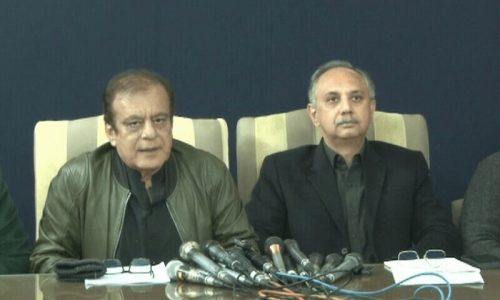
Speaking to media persons, Omar Ayub said that it was nothing but contempt of court. He said court orders were also handed to the jail staff, but they allegedly refused to receive them.
Those who planned to meet Mr Khan on Thursday included Sahibzada Hamid Raza, Raja Nasir Abbas and Punjab opposition leader Ahmed Khan Bhachar.
Published in Dawn, April 11th, 2025