AFTER years of struggle by young lawyers, the provincial assembly in Sindh recently passed a bill to amend the pecuniary jurisdiction of the Sindh High Court (SHC). After a bit of delay, the provincial governor also gave assent to the bill, putting an end to the SHC’s original jurisdiction once and for all. But will this serve the litigants? Well, it is a difficult question to answer.
We have seen lawyers take stay orders in their favour, and delay cases for years and decades. Many cases filed in the 1990s and after 2000 are still pending, with lawyers obtaining stay orders for their clients.
However, this practice has somewhat declined as judges in subordinate courts have become more reluctant to issue stay or ad-interim injunctions, similar to how bail is treated in criminal cases. While the reasons for this are unclear, this is what the reality is.
After the governor’s assent, the SHC has issued a notification to the effect that no one can file a suit directly. That is fair, but what about the cases that require urgent attention? As of now, the pending suits have not been transferred to the district courts of Karachi. Even if they were transferred promptly, where will all these files be kept? How will they be managed? No strategy has been put in place yet.
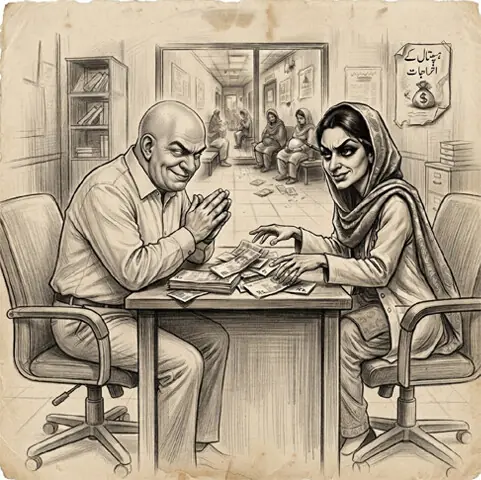
We have all seen how files are stored in district courts. Now, a new batch of files will arrive, but where will it be housed? How will the files be organised? One cannot find a case file in a district court without paying a bribe to the court or office staff. I am not sure about the young lawyers, but the court staff will definitely benefit from this change in pecuniary jurisdiction.
Young lawyers are excited that their practice will grow and thrive, but I am not sure if their excitement is grounded in practicality. I believe some will take advantage of the change, but not all will.
The question still remains, how will all of this be managed? As American historian Jerold S. Auerbach said, “The effective administration of justice requires close coordination between the judiciary (Bench) and the legal profession (Bar), ensuring that both parties understand their roles and responsibilities in faci-litating timely and equitable outcomes.”
So, for the smooth transition and effective resolution of cases, all stake-holders, including the SHC, Karachi district courts, the Sindh Bar Council, the Sindh High Court Bar Association and the Karachi Bar Association, must play their part in ensuring that these cases are swiftly transferred and resolved.
Hassan R. Khaskheli
Karachi
Published in Dawn, April 8th, 2025