PAKISTAN’S climate challenge is enormous. Despite contributing less than 1pc to GHG emissions, the country is among the nations most vulnerable to the impact of climate change. In fact, the Global Climate Risk Index lists Pakistan as the world’s fifth most climate-vulnerable country.
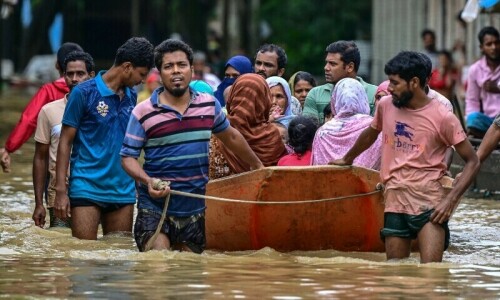
The massive floods of 2022 that killed hundreds, displaced millions, and inflicted economic losses in tens of billions of dollars, besides increasing food insecurity, highlighted the kind of existential threat the cash-starved Pakistani economy must fight off to survive. As if the periodic extreme weather events, ranging from heatwaves to abnormal rains to destructive floods, did not pose enough of a challenge, the shrinking glaciers in the north mean the country would have far less water for its agriculture in the not too distant future. Sadly, the fact that policymakers understand the implications of climate change for the people and economy does not mean their concern will automatically translate into concrete policy actions anytime soon.
The world is too busy with its own problems to focus on and fund our climate challenge. Only a few hundred million dollars have so far been received out of more than $10bn promised by various nations and global agencies to help Islamabad rebuild the infrastructure destroyed in 2022 and rehabilitate those displaced by the deluge. A large number of affected people remain displaced nearly three years after the floods.
Though the World Bank has pledged to finance some climate-resilient infrastructure projects under its 10-year Country Partnership Framework initiative, the promised funds are too meagre to make any significant impact. Now the government is looking to the IMF to provide $1bn in climate funding and has launched green action bonds to finance sustainable green projects for greater climate change adaptation and mitigation. However, there is little evidence to back its assertions that it is integrating climate-resilient policies across the sectors.
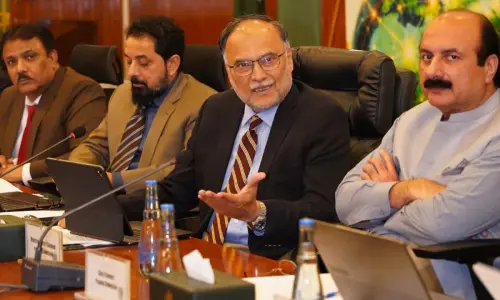
On Friday, Finance Minister Mohammed Aurangzeb rightly pointed out a huge financing gap and lack of technical capacity in our fight against climate change. However, there are policy actions that simply need political will and commitment and not money to address the climate change challenges.
With international climate financing slow to come, it falls upon our policymakers to use whatever money we have in such a way that it helps create climate-resilient infrastructure and climate-adaptation measures. Waiting for outside help to arrive will only aggravate our climate challenges and not mitigate them. As the finance minister has emphasised, sustainable economic and environmental growth go hand in hand. It is time for the government to translate its verbal commitments into concrete actions that promote environmentally stable growth.
Published in Dawn, March 24th, 2025