KARACHI: The government is negotiating a Rs1.25 trillion ($4.47 billion) loan with commercial banks to reduce its bulging energy sector debt, the power minister and banking association said.
Plugging unresolved debt across the sector is a top priority under an ongoing $7bn International Monetary Fund (IMF) bailout, which has helped Pakistan dig its way out of an economic crisis.
“The loan will be repaid over a period of 5 to 7 years,” Power Minister Awais Leghari told Reuters, adding that the term sheets are yet to be signed.
The government, the largest shareholder or owner of most power companies, faces a challenge in resolving debt due to fiscal constraints.
To address this, the government has raised energy prices, as recommended by the IMF, but still needs to settle the accumulated debt.
“We’ve approached many banks, let’s see how many participate. It’s a commercial transaction and they have the choice of participating, however, we think there is liquidity in the system for it and banks have the appetite,” Leghari said.
The government plans to reduce “circular debt” — public liabilities that build up in the power sector due to subsidies and unpaid bills — this year by eliminating government-guaranteed debt and moving to a revenue-based system.
This approach is expected to lower financing costs, enabling the government to pay off interest and service debt obligations, he added.
“Such repricing of liabilities induces more efficiency, and reduces cost for consumers,” said Ammar Habib Khan, adviser to the power minister.
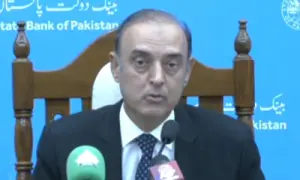
Zafar Masud, Chairman of the Pakistan Banks Association, told Reuters that the interest rate would be a floating exchange rate and the country’s top banks would participate, in addition to those who are already part of the outstanding loan.
“This will help in clearing up all the debt in the next 4 to 6 years which has been sitting on banks’ balance sheets,” he said.
Masud added that more than half of the Rs1.25tr debt is already on the banks’ books and is undergoing restructuring through self-liquidating facilities, which currently lack identifiable cash flows to support them.
Published in Dawn, March 8th, 2025