India’s Trade Minister Piyush Goyal started on a trip to the United States on Monday to pursue trade talks, two government officials said, with weeks to go for President Donald Trump’s planned reciprocal tariffs.
Goyal’s visit was sudden, as he departed after cancelling previously scheduled meetings until March 8, the officials said. He is also the minister for industry. India’s trade ministry did not immediately respond to an emailed request for comment.
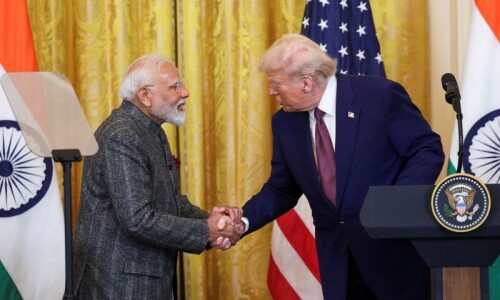
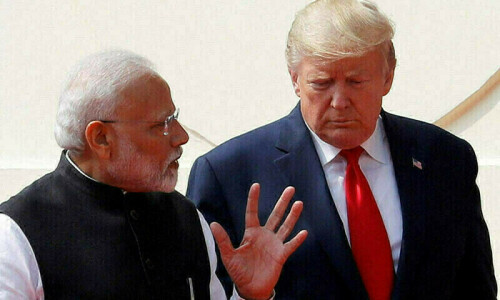
During Prime Minister Narendra Modi’s visit to the US last month, both nations agreed to work on the first segment of a trade deal by the fall of 2025, aiming for bilateral trade worth $500 billion by 2030.
Trump’s proposal to impose reciprocal tariffs from early April on trading partners including India is worrying Indian exporters in sectors ranging autos to agriculture, with Citi Research analysts estimating potential losses at about $7bn a year.
During the visit, Goyal will seek clarity on US reciprocal tariffs to assess their impact on India, one of the government sources said, and may also discuss potential Indian concessions and a trade deal to reduce tariffs and boost bilateral trade.
India is open to discuss tariff cuts on industrial products, including automobiles and chemicals, but is resisting pressure to lower tariffs on agricultural products, arguing it would impact millions of poor farmers, sources said.
To ease trade tension, India has already cut tariffs on several items, for example to 30 per cent on high-end motorcycles from 50pc and 100pc on bourbon whiskey from 150pc, while promising to review other tariffs, stepping up energy imports and buying more defence equipment.
India’s merchandise trade with the United States, its largest trading partner, has increased by about 8pc year-on-year to more than $106bn in the ten months through January, with India maintaining a trade surplus.
Analysts say chemicals, metal products, and jewellery — followed by automobiles, pharmaceuticals, and food products — are the most vulnerable sectors to potential US reciprocal tariffs.
If the United States expands such reciprocal tariffs to a broader range of farm products, India’s agricultural and food exports, including shrimp and dairy —where tariff differentials reach nearly 40pc — would be among the hardest hit, said a report by the Global Trade Research Initiative (GTRI), a Delhi-based think tank.