THERE are concerning reports of possible divisions within the Afghan Taliban, particularly between the ideological old guard based in Kandahar, and the more pragmatic members of the hard-line movement.
Afghanistan’s internal power struggles matter to both Pakistan and Kabul’s other neighbours, as well as the larger international community, because if the current dispensation implodes, it may fuel a fresh humanitarian exodus, along with empowering transnational terrorist groups based in that country.
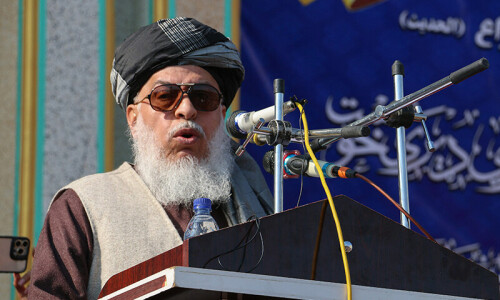
The rumours have been given credence as some senior members of the Taliban apparently fled Afghanistan after making remarks critical of the leadership. This includes deputy foreign minister Abbas Stanikzai, who reportedly left in January after criticising Taliban supreme leader Mullah Hibatullah Akhundzada, specifically the latter’s harsh stance on girls’ education.
Taliban spokesman Zabihullah Mujahid has denied that Mr Stanikzai fled, saying he was in the UAE to “visit family”. Moreover, Mr Mujahid has downplayed talk that an internal rebellion was brewing within Taliban ranks, stating that while opinions varied, the ‘Islamic Emirate’ “remains a united front”.
Despite these claims, the world, including Afghanistan’s neighbours, should monitor the situation closely. After all, following the collapse of the Najibullah government in 1992, mujahideen warlords engaged in a prolonged civil war, paving the way for the rise of the Taliban; if factional, tribal and ideological rifts widen, this blood-soaked history might be repeated.
The Taliban are by no means an ideal dispensation; however, if the system collapsed without a viable alternative, Afghanistan would return to the violence of yore, adding to the miseries of millions of ordinary Afghans. Moreover, terrorist groups, such as IS-K and the TTP, would take advantage of the chaos. From Pakistan’s perspective, the TTP’s activities are of particular concern, because of the long terrorist campaign it has waged against this country.
The only workable solution lies in Mullah Akhundzada loosening his iron grip on the country. States cannot be run on ideology alone, and if Afghanistan remains internationally isolated and economically weak, internal discontent will grow.
While the Taliban cannot be expected to respect democratic values, voices of dissent must be heard, and more flexibility shown, particularly with regard to basic freedoms and women’s rights. Ideally, a democratic system that promises rights to all of the country’s ethnic, tribal and religious groups should be the goal.
But until that goal is achieved, the Taliban leadership should listen to voices of reason, and shed their rigidity. The last time their regime fell because they failed to sever links with Al Qaeda. This time, if the Taliban high command fails to listen to its own cadres and leaders, the collapse could come from within.
Published in Dawn, February 24th, 2025