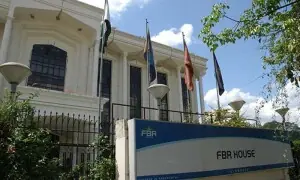
A ONE-two punch delivered by an unforeseen, sharp dip in inflation and an extremely slim base of taxpayers is expected to leave the country’s top tax agency with a big hole in its overly ambitious revenue target of around Rs13tr. Since the announcement of the present budget, it was obvious to most that the FBR would miss the target that demanded revenues to grow by nearly 40pc over last year’s collection as the authorities had skirted structural reforms needed to broaden the tax net and make the taxation system equitable and just. Much of the burden of the additional revenues was shifted onto existing taxpayers, including salaried classes; the rest was expected to come ‘autonomously’ from economic expansion and higher inflation.
With inflation now below 3pc, the tax authorities expect a revenue shortfall of at least Rs0.5tr. Many fear that the hole could widen to almost Rs1tr as the FBR is already struggling with a gap of Rs468bn in its target for the July-January period. According to a report in this paper, the tax authorities argue that this gap cannot be covered without increasing the tax rates for existing taxpayers or imposing new taxes due to the narrow base. This proposal has already been rejected by the prime minister on account of its negative political consequences. The revenue shortfall, on the other hand, will not go down well with the IMF, which was reported to have refused an earlier request from Islamabad to slash the tax target in view of rapid deflation. However, the tax authorities are confident that the IMF will overlook the collection gap if they achieve the tax-to-GDP ratio of 10.6pc for the current year since the lender is aware of the economic factors responsible for it. How the IMF is going to respond will not be clear until the second biannual performance review of the programme in summer. Yet we will get some early hints from the Fund during the first review next month. The difficulty facing the FBR in meeting its target underscores how crucial it is to execute tax reforms to broaden the base and make the system fair and equitable if the country’s tax revenue potential is to be realised. Contingent upon it is not just the IMF funding but also Pakistan’s future financial and economic viability.
Published in Dawn, February 14th, 2025