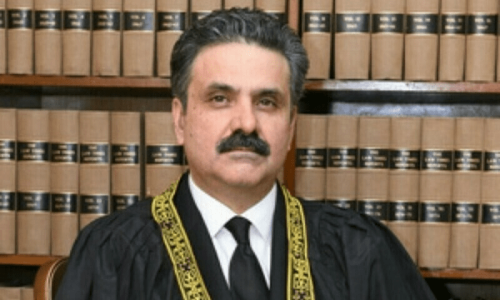
IT has taken a tour of Pakistan’s provinces for Chief Justice Yahya Afridi to be “jolted” by the crisis of enforced disappearances. The issue has long been an open wound in Pakistan’s body politic, one that successive chief justices have observed with varying degrees of concern but insufficient action.
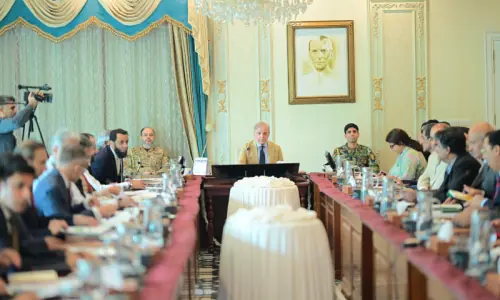
The CJP told reporters that complaints from bar associations across the country have “disturbed” him but that it is imperative to also “hear the other side”. However, these cases have languished in various courts for years. Why has the judiciary not been more proactive in addressing them?
Chief Justice Afridi’s position that such cases fall under the high courts’ jurisdiction per Article 199 of the Constitution, while technically correct, risks becoming another bureaucratic shield behind which justice can continue to be delayed. The Supreme Court’s apparent reluctance to “interfere” with subordinate judiciary must not result in it abdicating its role as the ultimate guardian of fundamental rights. The mathematics of delay is simple but devastating.
Each day a person remains missing represents 24 hours of anguish for their families, who are left to navigate a labyrinthine legal system that seems designed to exhaust rather than deliver justice. The high courts, already burdened with backlogged cases, have treated these cases as routine litigation rather than the human rights emergencies they are.
While the CJP’s broader vision for judicial reform — including plans for financial aid to underprivileged litigants and the professional development of district judges — is commendable, it should not distract from the immediate need to address enforced disappearances. The comparison of the SC to the Titanic, requiring time to change course, is unfortunate given how long the court has had to adjust its heading on this issue. The judiciary must recognise that its institutional credibility is intrinsically linked to its handling of missing persons cases.
Each delay not only denies justice to the affected families but also erodes public faith in the legal system. If the high courts are indeed the appropriate forum for these cases, then the SC must at least ensure they are heard with the urgency they deserve. What Pakistan needs now is not merely acknowledgment of the problem but a clear timeline for addressing it.
The ‘jolt’ should translate into concrete directives to high courts to expedite these cases, with regular monitoring of progress. The time for careful deliberation has long passed — what is needed now is swift action to ensure that Pakistan’s missing persons are either produced before the courts or their fate explained to their families. Anything less would represent a continued failure of justice and a tacit acceptance of practices that have no place in a democratic society.
Published in Dawn, January 15th, 2025