High AQI levels persist in Lahore despite smog-specific steps


 0
0


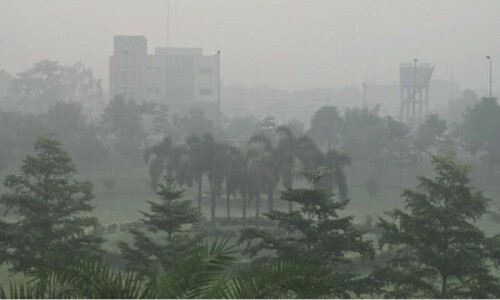
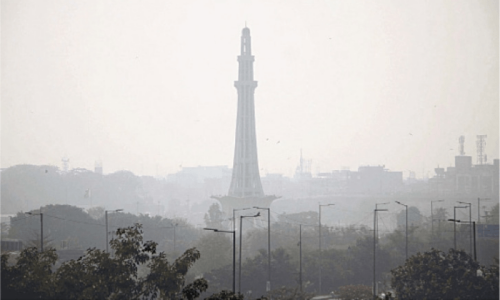
LAHORE: The provincial metropolis’s air pollution on Thursday reached unprecedented levels, ranking it as the world’s most polluted city for the past 48 hours, as dense smog blankets major districts of Punjab.
The city’s Air Quality Index (AQI) soared to alarming heights, surpassing 1,000 in some areas, a level deemed hazardous for public health and safety.
Earlier, the government had closed all public and private schools and colleges across 18 districts of the province from Nov 7 to 17 to protect students and staff from exposure to the toxic air.
The smog had reduced visibility and travel conditions were also becoming hazardous in the province during night. Despite efforts to control the pollution, the situation remained critical.
Sports gala postponed; mask distribution drive launched
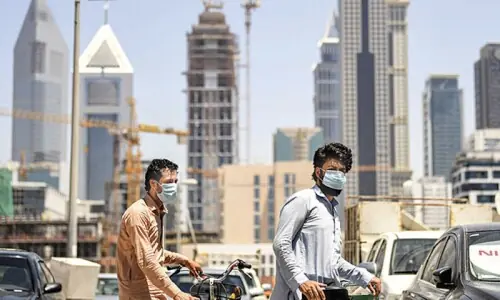
However, business in the city was observed as usual with no decrease in traffic and no adherence to the SOPs by the citizens despite poor air quality.
Pollution levels remain consistently high across Lahore, with recorded AQI readings of 990 at 11:30pm on Thursday. Specific locations also reported distressing levels including CERP Office recorded an AQI of 1499, US Consulate in Lahore 1248, Askari-10 1206, Syed Maratib Ali Road 844, Pakistan Engineering Services 1171 and Ghazi Road Interchange 1063. The city of Multan was reported concerning AQI levels, reaching 694 at 11pm.
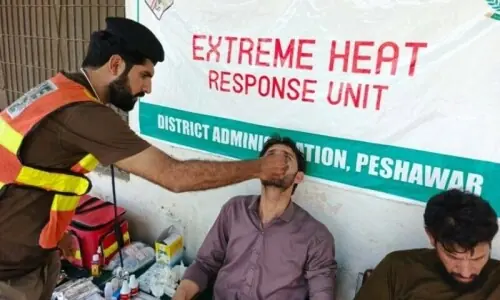
Hospitals in Lahore are reporting a significant increase in patients suffering from respiratory problems, eye irritation, and other pollution-related ailments.
A senior pulmonologist at a major hospital Dr Ali Raza said that emergency departments were witnessing an influx of patients with respiratory distress and exacerbated chronic conditions, especially among vulnerable groups like children and the elderly.
Residents across Lahore described the air as thick with a “suffocating haze,” and there was a growing frustration over the lack of effective government measures.
The government took various initiatives including closing brick kilns and restricting heavy vehicle movement but it was not able to stop worsening the air quality of the city.
Environmental experts urged the government to adopt more stringent long-term measures and invest in clean energy to combat the pollution crisis at its root.
Meanwhile, the government was advising the public to limit outdoor activities and wear protective masks. With schools closed, students were left with few options for studying at home as the smog continues to disrupt daily life.
To address the root of the smog issue, Punjab Senior Minister Marriyum Aurangzeb announced that Chief Minister Maryam Nawaz is advancing modern agricultural methods in the province.
In the first phase of a new initiative, 1,000 super seeder machines were distributed among farmers across districts, including Faisalabad, Okara, and Sialkot. The super seeders, which allow land preparation without burning crop residues, aim to reduce agricultural emissions, a significant contributor to smog.
Ms Aurangzeb also announced the postponement of the provincial sports gala due to severe smog, to be rescheduled once conditions improve.
Meanwhile, a mask distribution campaign has been launched in Lahore, alongside health advisories from mosques, to encourage residents to adopt preventive measures.
To intensify anti-smog efforts, law enforcement agencies filed 15 FIRs against illegal crop burning and imposed fines totaling over Rs400,000. Over 3,850 volunteer committees are actively engaged in monitoring and educating the public, distributing informational materials, and coordinating night surveillance of sand trolleys by the Environmental Protection Agency (EPA) and traffic squads.
Published in Dawn, November 8th, 2024