0
0

PAKISTAN is on shaky ground regarding human freedoms.
In a recent review, the UN Human Rights Committee — which carries out periodic assessments of other countries’ rights record too — has expressed concern about escalating human rights abuses: politically motivated oppression, torture, eroding freedom to practise religious beliefs, forced conversions, curbs on the freedom of expression, a ban on student unions, restrictions on assembly, harassment of rights activists, crimes against women and children, capital punishment and extrajudicial killings.
Successive governments have been responsible for matters reaching this point, while certain state agencies can specifically be held responsible for crimes such as enforced disappearances. Besides, the state’s failure to rein in radical religious elements has also contributed to a culture of fear.
While the scale of intimidation is significant, the rising crime graph is the outcome of a corrupt, ineffective and inequitable criminal justice system and structural flaws in the security apparatus. Among other things, these factors have contributed to the rampant violence against women: for instance, a rape takes place every two minutes in the country because of a 3pc conviction rate.
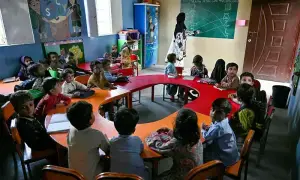
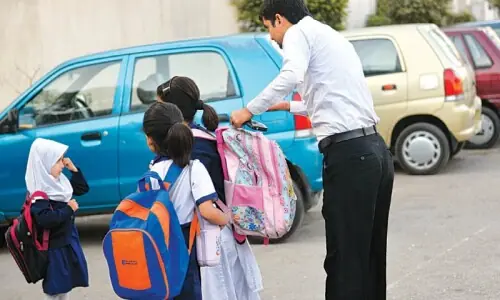
As for Pakistan’s children, not only are millions of them deprived of even basic freedoms like education and forced into manual labour, their existence itself is overlooked by the state: as the review notes, only 42pc of children under five were registered at birth.
Meanwhile, religious communities experience persistent tyranny through the misuse of blasphemy laws, while forced conversions underscore the defenselessness of the marginalised. Thus, the UN body dismissed the figure of 74 cases of forced conversions from the state party and observed that the actual number was far higher.
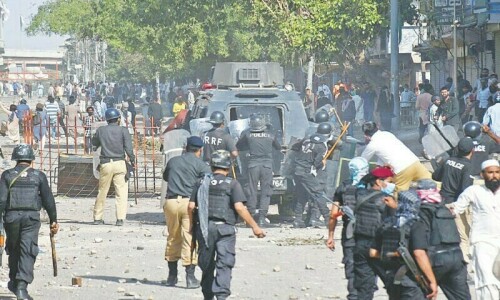
The review is a reminder that our constitutional protections exist as mere aspirations, and that the state has no regrets about its citizens morphing into missing persons, while it actively crushes dissent in places such as KP and Balochistan where movements protesting against atrocities by both the state and radical anti-state elements are growing. Even peaceful protesters have encountered the might of the state.
It is unfortunate that human rights are seen as a favour to the populace — an attitude that is visible in institutions and social groups, including the judicial system. It is an approach that prevents the authorities from forming pro-people policies or fortifying departments for social development and protecting them from exploitation.
Instead of focusing solely on Pakistan’s economic woes, the state must take a holistic view. It must understand that a fresh human rights regime will be realised when elected representatives are held accountable for rights excesses in their constituencies, policies are in line with international standards, and the state has a heart.
Published in Dawn, October 20th, 2024