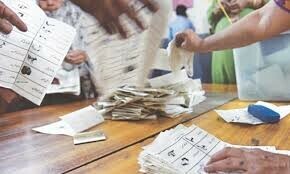
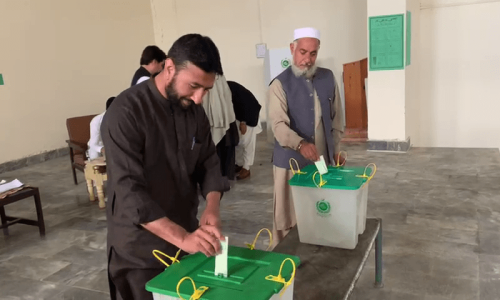
IT is unlikely that the public will get timely closure on the many controversies raging over the Feb 8 general election. The tribunals appointed under the Elections Act of 2017 to settle election-related disputes will not be able to meet their 180-day deadline, it has emerged in a report released by the Free and Fair Election Network.
Fafen has highlighted that, so far, only 7pc of the 377 petitions have been resolved, with Balochistan’s tribunals alone in achieving a double-digit disposal rate of 17pc. Sindh, KP and Punjab lag far behind with disposal rates of 7pc, 4pc and 0.5pc, respectively, while the tribunal appointed for Islamabad’s seats has yet to dispose of a single case. Punjab, where the most challenges have been filed, still has only two tribunals functioning out of the eight sanctioned, mainly because of the Election Commission of Pakistan’s refusal to honour the Lahore High Court’s decisions about who should head them.
The nation saw the post-polls fiascos play out on their television screens and has awaited answers about what exactly went wrong. It may be recalled that, in a replay of the ECP’s results transmission system’s failure in 2018, this time, too, a new and improved results consolidation system had failed to function, and the announcement of the results was put off without any explanation from the Commission.
While these delays were happening, many candidates and their supporters saw their victories magically turn into defeats and vice versa. Complaints flooded in from across the country of results being finalised behind closed doors after kicking out those who had contested the elections. Many new controversies emerged post-Feb 9 that threw both the credibility of these elections and the ECP’s impartiality into further doubt.
From supposedly ‘final’ results being retracted, revised, and then reissued, to recounts being done without candidates being informed, to glaring discrepancies in the results issued to candidates and the results endorsed by the authorities — so much was so obviously wrong that it defied understanding how these gross irregularities would be upheld.
This is where the election tribunals, acting as third-party arbiters between the disputing candidates, were supposed to provide closure. They should have done so within the mandated six-month period, which would have helped the system self-correct as soon as possible. Alas, it seems that these disputes will continue to linger for the foreseeable future, weakening an already struggling democracy. The delay will only mean that the legitimacy of the coalition government will continue to remain in doubt, which will undermine its authority and allow political instability to continue to fester.
Tragically, the systems that were meant to act as a check and balance on our institutions and ensure compliance with the constitutional order keep failing us constantly.
Published in Dawn, August 21st, 2024