Africa’s top public health body declares monkeypox emergency


 0
0


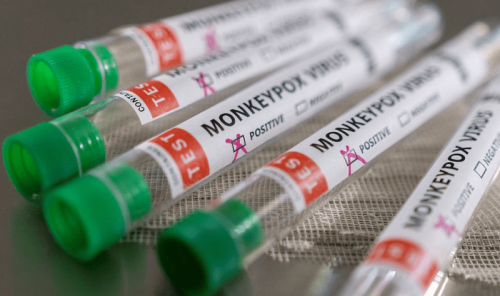
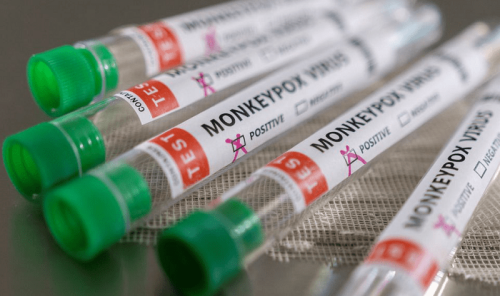
Africa’s top public health body declared what it termed a “public health emergency of continental security” on Tuesday over an outbreak of monkeypox that has spread from the Democratic Republic of Congo to neighbouring countries.
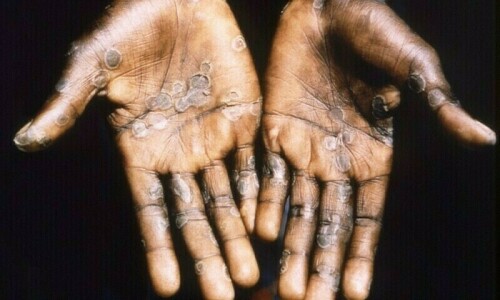
The Africa Centres for Disease Control and Prevention (Africa CDC) warned last week of an alarming rate of spread of the viral infection, which is transmitted through close contact and causes flu-like symptoms and pus-filled lesions.
Most cases are mild but it can kill.
“We declare today this public health emergency of continental security to mobilise our institutions, our collective will, and our resources to act swiftly and decisively,” Director General Jean Kaseya said in a briefing that was live-streamed on Zoom.
The outbreak in Congo began with the spread of an endemic strain, known as Clade I. But the new variant, known as Clade Ib, appears to spread more easily through routine close contact, particularly among children.
Kaseya said in the briefing that the continent needs more than 10 million doses of the vaccine, but only about 200,000 are available. He promised that the Africa CDC would work to quickly increase the supply to the continent.
“We have a clear plan to secure more than 10m doses in Africa, starting with 3m doses in 2024,” he added, without saying where the vaccines would be sourced.
The health body said that more than 15,000 cases and 461 deaths were reported on the continent this year so far, representing a 160 per cent increase from the same period last year. A total of 18 countries have reported cases.
Monkeypox has been endemic in parts of Africa for decades after it was first detected in humans in the Democratic Republic of Congo in 1970.
A milder version of the virus spread to more than a hundred countries in 2022, largely through sexual contact, prompting the World Health Organisation (WHO) to declare a public health emergency of international concern, its highest level of alert.
The WHO ended the emergency 10 months later, saying the health crisis had come under control.
The US CDC issued a second health alert last week to notify clinicians and health departments about the deadly new strain.
Also last week, Africa CDC said it had been granted $10.4m in emergency funding from the Africa Union for its mpox response.
WHO chief Tedros Adhanom Ghebreyesus has promised to convene an emergency committee to discuss whether the outbreak in Congo represents a public health emergency of international concern.