The three gunmen who shot and killed six people at a Shia Muslim mosque in Muscat in an attack claimed by the banned militant Islamic State (IS) group this week were all Omani nationals, police said on Thursday.
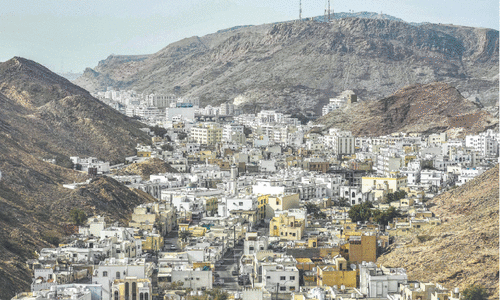
The assault began on Monday evening at the Ali bin Abi Talib mosque in the Wadi al-Kabir neighbourhood of Oman’s capital as Shia Muslims gathered.
The Royal Oman Police said the three gunmen were brothers and “were killed due to their insistence on resisting security personnel”. It said that police investigations had indicated the three gunmen were “influenced by misguided ideas”.
The six people killed by the gunmen were four Pakistanis, an Indian and a police officer responding to the attack, which IS later claimed responsibility for.
Pakistan has labelled the assault a terror attack.
IS on Tuesday said that three of its “suicide attackers” fired on worshippers at the mosque on Monday evening and exchanged gunfire with Omani security forces until morning.
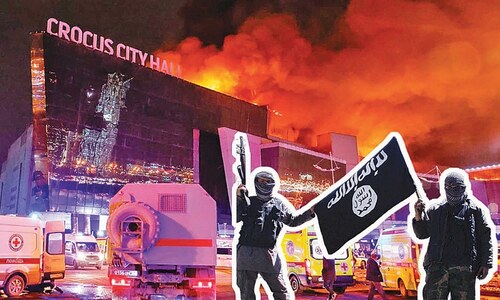
The militant group also published what it said was a video of the attack on its Telegram site. It has claimed responsibility this year for high-profile attacks in Russia and Iran which inflicted mass casualties and is active in Afghanistan.
It had not claimed an assault on the Arabian Peninsula for several years until the attack in Oman.
IS seeks comeback
Its operations have indicated the group is attempting a comeback after it was crushed by a US-led coalition following its occupation of large swathes of territory in Iraq and Syria and declared a caliphate.
It also inspired lone-wolf attacks in the West.
Any inroads in Gulf Arab oil producers such as Oman would raise fears in Washington and the region which has long viewed militant groups as a major threat.
Dozens of people at the mosque in Oman were wounded with around 30 people treated at local hospitals, including for gunshot wounds.
Monday evening marked the beginning of Ashura, an annual period of mourning during the month of Muharram, observed in particular by Shia Muslims worldwide. It commemorates the Battle of Karbala in 680 AD, where amongst many, the grandson of Prophet Muhammad (Peace Be Upon Him), Imam Husain, was martyred and other family members were martyred or subjected to humiliation.
The observation of Ashura has sometimes triggered sectarian tensions between Sunni and Shia Muslims in some Middle East countries.
The attack was largely unprecedented in Oman, where most of its citizens follow the Ibadi Muslim faith that shares many similarities with mainstream Sunni Islam.
Oman has a small but influential Shia population. Like other Gulf countries, there is a large and significant foreign workforce in Oman too.