IT is dangerous for a government to appear so desperate. Like grains of sand, power slips quicker from the hand the tighter the fist is clenched. In their obsession with countering the resurgent PTI, the ruling parties are, wittingly or unwittingly, pushing the country towards even more chaos and anarchy instead of accepting ground realities and working around them.
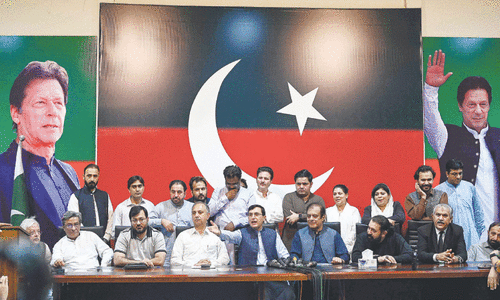
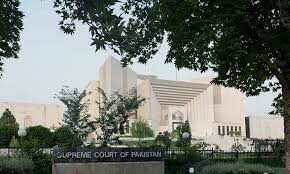
Though 11 judges of the Supreme Court, including the chief justice, only last week recognised the PTI’s bona fides as a political party, the coalition government is now seeking a complete ban on the party itself.
The shock proclamation came on Monday afternoon, along with announcements that the government had decided to seek a review of the Supreme Court’s ruling in the reserved seats case as well as proceedings under Article 6 against former president Arif Alvi, former prime minister Imran Khan, and former deputy speaker of the National Assembly, Qasim Suri.
Was this the government’s best response to losing its two-thirds majority, which, in any case, had only been secured thanks to a series of unconstitutional and unlawful decisions taken by the Election Commission? Was the prospect of the largest party in parliament being restored to its rightful status so alarming that the ruling parties, in the tradition of military dictators, would seek to ban it on dubious charges?
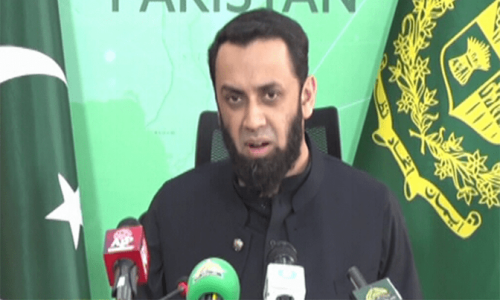
If the government thought it was projecting power through Information Minister Atta Tarar’s Monday press conference, it was gravely mistaken. It only managed to appear desperate and intimidated, clutching at straws while the tide rises around it. One can only hope that it was merely testing the waters for what the reaction may be to such a move. Nevertheless, it was a shock that the stalwarts in its ranks had not shot down the proposal before a minister went public with it.
It appears that the government and its backers within the establishment have still not realised that they are in uncharted territory. Previous regimes that ruled through political coercion and fear tactics had strong economies backing them. The conditions right now appear to be far from conducive for the type of brinkmanship and adventurism being displayed by the current regime. If the idea is to precipitate a collapse of the democratic political order, then, by all means, the authorities should proceed.
However, if social and economic stability is what is sought, they would be well-advised to undertake a hard course correction.
At the same time, the PTI also needs to display some flexibility and greater maturity. It appears that it has gained enough leverage to be able to achieve its political objectives without the country having to travel further down the path of political violence and social instability. Victory in politics is rarely absolute. It must open itself to negotiations.
Published in Dawn, July 16th, 2024