Nepal retrieves more bodies from buses swept away by landslide


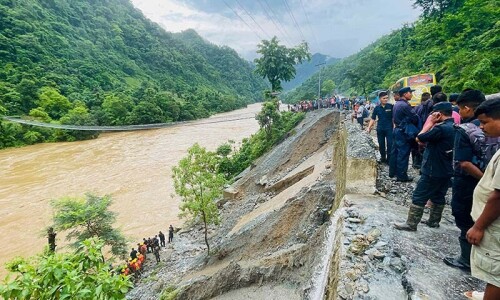
Nepali search teams retrieved more bodies on Sunday of the roughly 50 people missing after a landslide triggered by torrential rains swept two buses into a fast-flowing river.
Over 300 officers, including divers, were scouring the river for passengers and the two buses themselves, said Kumar Neupane, spokesperson for Nepal’s armed police unit.
Other teams on boats were using sensor equipment to search the murky water.
Grieving relatives waited on the banks in shock.
“It’s been three days I have been here, but my grandparents’ bodies have not been found,” said Khurseed Alam, aged 23.
The force of Friday’s landslide in central Chitwan district pushed the vehicles over concrete crash barriers and down a steep embankment, at least 30 metres from the road.
“One body has been found about 25 kilometres (15 miles) from the accident site,” police spokesperson Dan Bahadur Karki told AFP.
In total, five bodies have been retrieved, Karki said. One was an Indian citizen.
District official Khimananda Bhusal told AFP that roughly 50 people were swept away on the buses, revising the number from the 63 initially reported by authorities.
Fierce currents, made worse by this week’s torrential downpours, have hampered search efforts.
Chitwan district government chief Indra Dev Yadav said water was flowing fast, making it difficult for the teams.
“The river is deep and narrow”, he added.
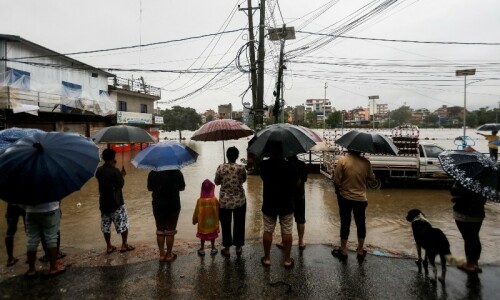
Road travel becomes deadlier during the annual monsoon season as rains trigger landslides and floods across the mountainous country.
Monsoon rains across South Asia from June to September offer respite from the summer heat and are crucial to replenishing water supplies, but also bring widespread death and destruction.
The rainfall is hard to forecast and varies considerably, but scientists say climate change is making the monsoon stronger and more erratic.
Deadly crashes, meanwhile, are common in Nepal because of poorly constructed roads, badly maintained vehicles and reckless driving.
Nearly 2,400 people lost their lives on the Himalayan republic’s roads in the 12 months to April, according to government figures.