New Delhi records highest-ever temperature of 52.3 Celsius



Temperatures in India’s capital soared to a national record-high of 52.3 degrees Celsius on Wednesday, the government’s weather bureau said.
The India Meteorological Department (IMD), which reported “severe heat-wave conditions”, recorded the temperatures in the Delhi suburb of Mungeshpur on Wednesday afternoon, smashing the previous national record in the desert of Rajasthan by one degree Celsius.
The weather bureau said the temperatures were 12 degrees higher than expected.
Forecasters predict similar temperatures on Wednesday for the city with an estimated population of more than 30 million people, issuing a red alert warning notice for people to take care.
The IMD’s red alert is a warning there is a “very high likelihood of developing heat illness and heat stroke in all ages”, with “extreme care needed for vulnerable people”.
Heat remains high even during the night, it added.
The IMD said the heat wave in northwest and central India was “likely to reduce gradually” from Thursday.
In May 2022, parts of Delhi hit 49.2 degrees Celsius (120.5 Fahrenheit), Indian media reported at the time.
India is no stranger to searing summer temperatures.
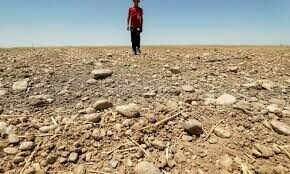
But years of scientific research have found climate change is causing heatwaves to become longer, more frequent and more intense.
‘Water scarcity’
New Delhi authorities have also warned of the risk of water shortages as the capital swelters in headache-inducing heat — cutting supplies to some areas.
Water Minister Atishi Marlena has called for “collective responsibility” in stopping wasteful water use, the Times of India newspaper reported on Wednesday.
“To address the problem of water scarcity, we have taken a slew of measures such as reducing water supply from twice a day to once a day in many areas,” Atishi said, the Indian Express reported.
“The water thus saved will be rationed and supplied to the water-deficient areas where supply lasts only 15 to 20 minutes a day,” she added.
The highly-polluted Yamuna river — a tributary of the Ganges — runs through Delhi, but flow is hugely reduced during the summer months.
Delhi relies almost entirely on water from the neighbouring Haryana and Uttar Pradesh, both farming states with their huge water demands.
Many blame the soaring temperatures on scorching winds from Rajasthan state, where temperatures on Tuesday were the hottest in the country, at 50.5 degrees Celsius.
Rajasthan’s desert region of Phalodi holds the country’s all-time heat record, hitting 51 degrees Celsius in 2016.
Like India, Pakistan has also sweltered through a week-long heatwave, which peaked at 53 degrees Celsius on Sunday in Mohenjo Daro in Sindh.
The Met Office said it expected temperatures to subside from Wednesday, but warned further heatwaves were coming in June.
It comes as the country hashes out a new deal with the International Monetary Fund which is believed to focus heavily on the energy supply crisis, that has left parts of the country facing up to 15 hours of load shedding a day.
At the same time, India’s West Bengal state and the northeastern state of Mizoram have been struck by gales and lashing rains from Cyclone Remal, which hit India and Bangladesh on Sunday, killing at least 65 people.
Bangladesh’s Meteorological Department said the cyclone was “one of longest in the country’s history”, blaming climate change for the shift.