IN recent years, Pakistan has made several attempts at introducing an overarching mechanism through which to check the strident criticism of the state, its institutions, and their policies, on social media. However, the authorities have repeatedly had to fall back on various extra-legal means to keep the ‘problem’ in check, largely because legislative measures have proven insufficient and because major platform operators remain unwilling to engage with our authorities’ concerns and refuse to entertain their requests for more access to platform users’ information. Meanwhile, social media users seem to have grown increasingly emboldened while directing their opprobrium at the state, protected by the anonymity offered by most platforms. Lately, they have been directing unprecedented vitriol at institutions that were once considered untouchable. Understandably, this has been quite upsetting for those in charge, who seem to be panicking at their inability to control social media as easily as they can the mainstream media operating in the country.
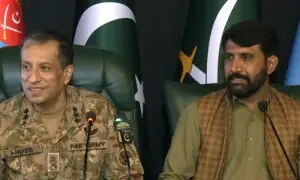
This seems to be the long and short of why the government has introduced two new authorities in recent days: the National Cyber Crimes Investigation Agency, to replace the FIA’s Cybercrimes Wing, and the Digital Rights Protection Authority, which is awaiting the cabinet’s assent. The DRPA, whose name seems to follow the nomenclature for government ministries in George Orwell’s 1984, will, by one account, “create a secure and trustworthy digital environment while promoting user protection online and safeguarding fundamental rights”. However, those on the ground believe that this state-defined reasoning for DRPA’s creation is little more than a fig leaf. They say that the authorities have long wanted a watchdog that can freely hound critics who get too bold online; they refer to the around two dozen cases registered against journalists since the Peca laws came into effect to justify their apprehensions. To be fair, the context in which these changes are being introduced and the speed at which things seem to be moving do not really allow for a more charitable interpretation of the government’s intentions. Just a day after the DRPA received the prime minister’s approval, the military authorities issued stern words on what was described as “digital terrorism” unleashed by “inimical forces” trying to lure citizens away from the nation’s armed forces. Sounds like an ill omen for the freedoms Pakistani citizens have grown used to in the digital age.
Published in Dawn, May 11th, 2024