Gunman kills 6 in attack on Afghan mosque: govt spokesman



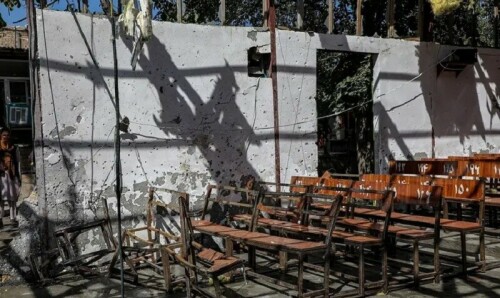
A gunman stormed a mosque in western Afghanistan and killed six people, a government spokesman said on Tuesday, with local residents claiming the Shia community had been targeted.
Interior ministry spokesman Abdul Mateen Qani said that “an unknown armed person shot at civilian worshippers in a mosque” in Herat province’s Guzara district on Monday at around 9pm (4:30pm GMT).
“Six civilians were martyred and one civilian was injured,” he wrote on social media platform X early Tuesday morning.
Locals said the mosque served the minority Shia community in a district just south of the provincial capital of Herat city, and the imam and a three-year-old child were among those killed.
They also said a team of three gunmen staged the attack, contradicting the official account.
“One of them was outside and two of them came inside the mosque, shooting the worshippers,” said 60-year-old Ibrahim Akhlaqi, the brother of the slain imam. “It was in the middle of the prayers.”
“Whoever was in the mosque has either been martyred or wounded,” added 23-year-old Sayed Murtaza Hussaini.
IS threat
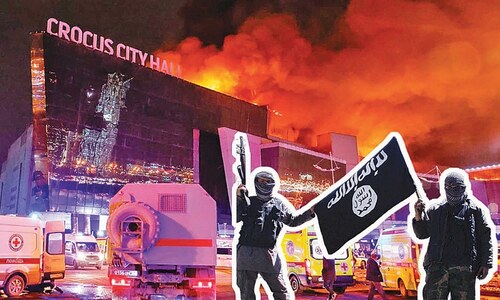
While no group has claimed the attack, the regional chapter of the militant Islamic State (IS) group is the largest security threat in Afghanistan and has frequently targeted Shia communities.
The Taliban government has pledged to protect religious and ethnic minorities since returning to power in August 2021, but rights monitors say they’ve done little to make good on that promise.
The most notorious attack linked to IS since the Taliban takeover was in 2022, when at least 53 people — including 46 girls and young women — were slain in the suicide bombing of an education centre.
Taliban officials blamed IS for the attack, which happened in a Shia neighbourhood of the capital Kabul.
Afghanistan’s new rulers claim to have ousted IS from the country and are highly sensitive to suggestions the group has found safe haven there since the withdrawal of foreign forces.
Taliban authorities have frequently given death tolls lower than other sources after bombings and gun attacks, or otherwise downplayed them, in an apparent attempt to minimise security threats.
A United Nations Security Council report released in January said there had been a decrease in IS attacks in Afghanistan because of “counter-terrorism efforts by the Taliban”.
But the report said IS still had “substantial” recruitment in the country and that the militant group had “the ability to project a threat into the region and beyond”.